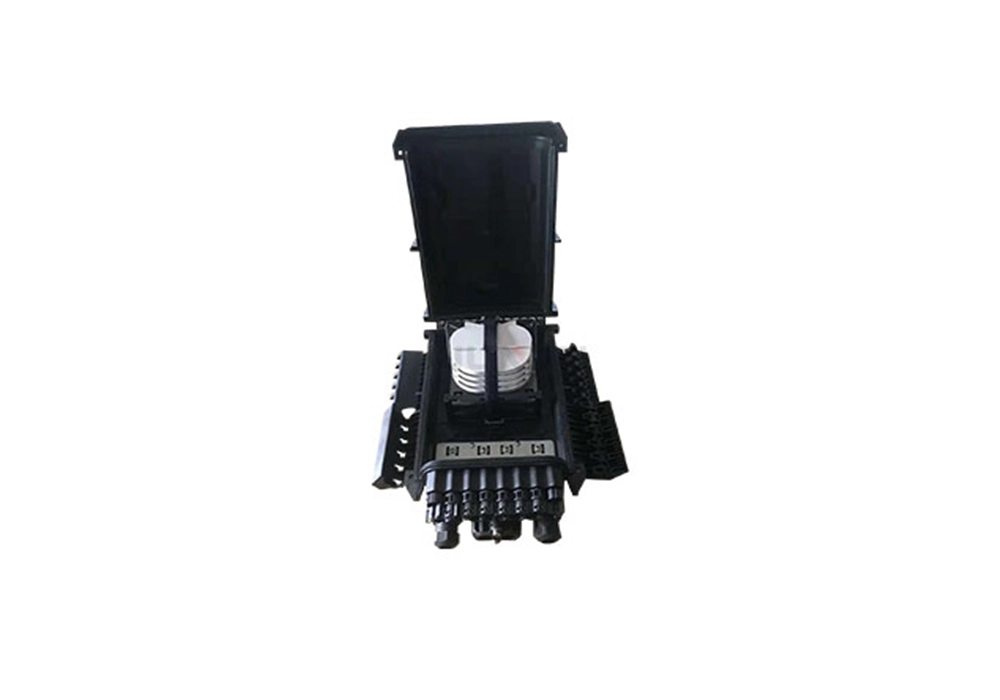
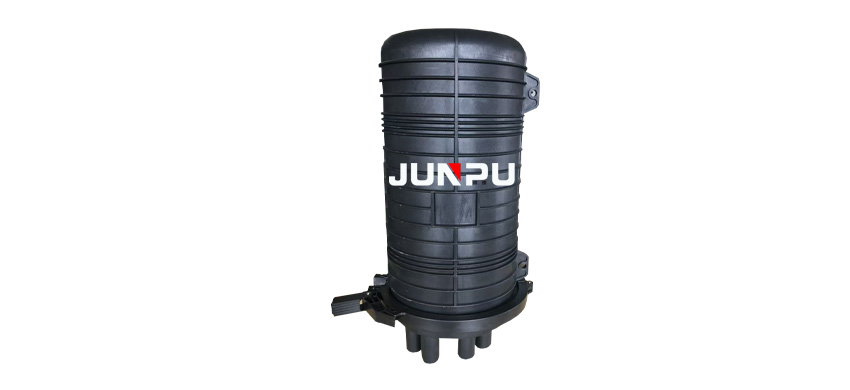
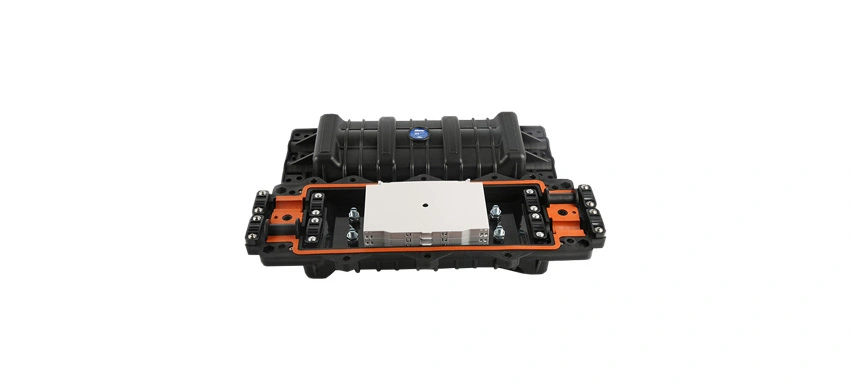
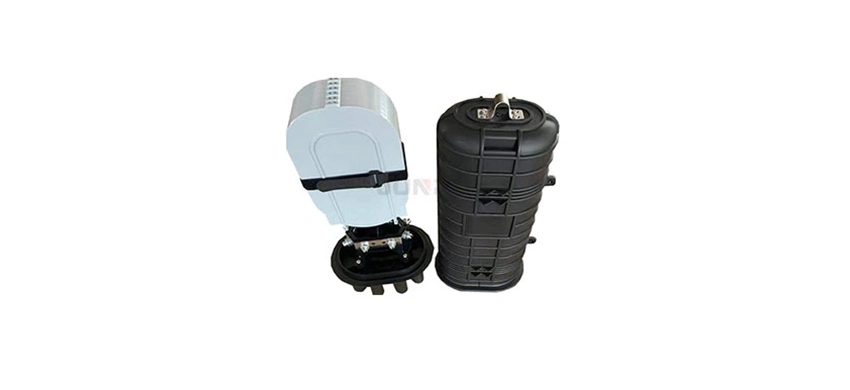
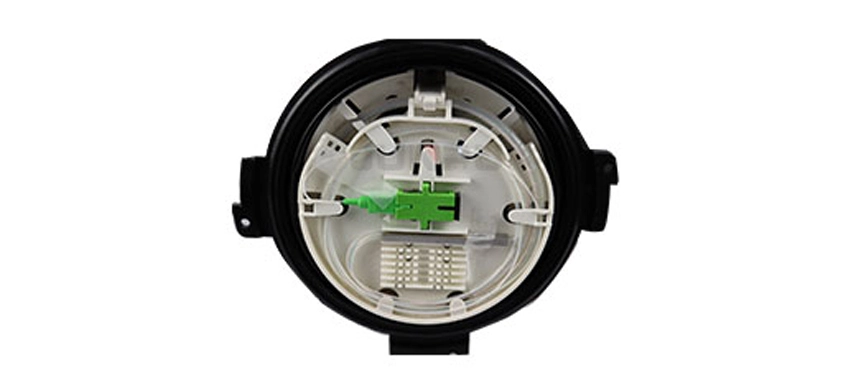
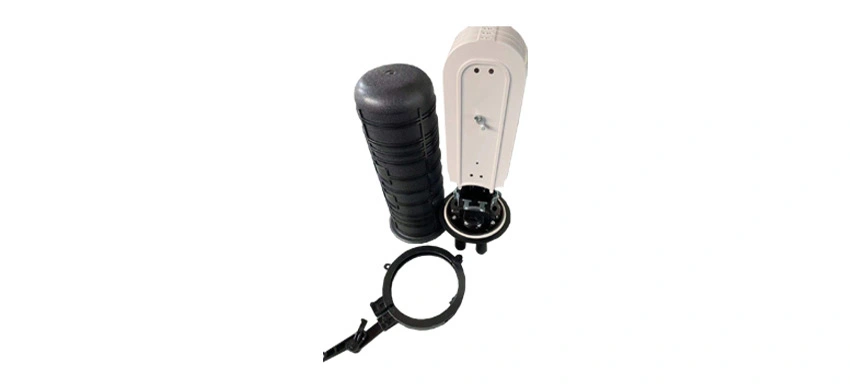
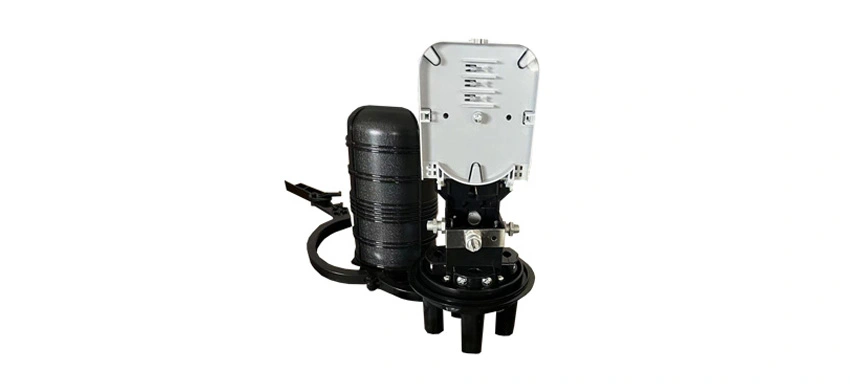
FOSC400A12 fiber optic splice closures are specially designed to protect joints of optic cable. Excessive fibers can be stored in storage baskets behind the splice trays. The optical fibers are fusion on sides of the tray. One tray can splice 12 fibers; Available for 1 trays to splice total 12 fibers. Adopt modified PP material, with anti-UV, anti-aging and corrosion resistance material. Good quality and long service life. It is reusable.
Optic Fiber Splice Enclosure Waterproof Test Video
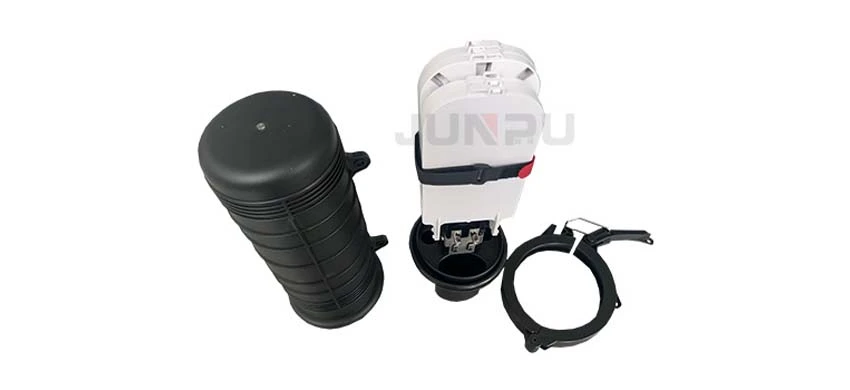
Components of an Optic Fiber Splice Enclosure
Enclosure Housing:
The housing or casing is the outer structure of the splice enclosure. It's typically made from robust materials such as plastic or metal. The housing provides physical protection for the enclosed fibers and components from environmental factors, dust, and physical damage. It often features sealing mechanisms to maintain weatherproofing in outdoor enclosures.
Splice Tray or Module:
The splice tray or module is an internal component within the enclosure. It provides a structured platform for organizing and securing fiber optic splices. Splice trays are designed to accommodate splice protectors, splice sleeves, and heat-shrink tubing, ensuring that fiber splices are well-protected and maintain optimal signal transmission.
Cable Management Accessories:
These accessories include cable entry and exit ports, routing guides, and strain relief features. They help organize and secure incoming and outgoing fiber optic cables, preventing cable tangling, bending, or damage. Proper cable management is essential for maintaining signal integrity and simplifying maintenance.
Sealing and Gasket System:
To ensure the enclosure's environmental protection, a sealing and gasket system is employed. This system includes seals or gaskets around cable entry points and connectors, creating a watertight and dustproof seal. It prevents moisture and contaminants from entering the enclosure and damaging fiber connections.
These components work together to provide a secure and organized environment for fiber optic splicing and connections within the optic fiber splice enclosure. Properly installed and maintained enclosures help ensure the reliability and longevity of fiber optic networks.
Features of an Optic Fiber Splice Enclosure
An Optic Fiber Splice Enclosure is a critical component in fiber optic networks, providing protection and organization for fiber optic splices and connections. Here are four key features commonly found in such enclosures:
Weatherproofing:
Many optic fiber splice enclosures are designed to be weatherproof, making them suitable for both indoor and outdoor installations. They are equipped with seals, gaskets, and durable housing materials that protect against moisture, dust, and extreme temperatures. This weatherproofing ensures the longevity and reliability of fiber connections, even in harsh environmental conditions.
Modular Design:
Optic fiber splice enclosures often feature a modular design that allows for flexibility and scalability. They can be expanded or customized to accommodate varying numbers of fiber splices and connectors. This feature makes them adaptable to different network sizes and configurations.
Cable Management Features:
Effective cable management is crucial for maintaining signal integrity and ease of maintenance. These enclosures typically include cable routing guides, strain relief features, and designated cable entry and exit points. These features help organize and protect incoming and outgoing fiber optic cables, reducing the risk of damage or tangling.
Secure and Accessible:
Security and accessibility are essential considerations. Optic fiber splice enclosures come with secure locking mechanisms to prevent unauthorized access, safeguarding sensitive fiber connections. At the same time, they are designed to be easily accessible for authorized technicians when maintenance or splicing work is necessary. Removable trays or modules make accessing and working on fiber splices convenient.
IP68 Rated Protection: Engineered for the Harshest Environments
In fiber optic deployments, the integrity of the splice is only as good as its enclosure. JUNPU optical fiber joint boxes are specifically engineered to exceed industry standards, providing IP68-rated protection that ensures your network stays online, whether underground, aerial, or underwater.
All JUNPU enclosures are constructed from high-strength, medical-grade modified Polypropylene (PP) plastics, delivering three core protections:
Superior Weatherproofing (IP68 Certified):
Our enclosures are strictly certified to IP68 standards, meaning they are completely dust-tight and resistant to permanent immersion in water. This makes them the ideal choice for manholes, cable trenches, and areas prone to flooding where standard IP65 or IP66 boxes might fail.
Extreme Durability & Anti-Aging:
The modified PP material is infused with anti-UV and corrosion-resistant additives. This ensures the shell remains robust and leak-proof even after 20+ years of exposure to direct sunlight (aerial) or corrosive chemical elements in the soil (direct burial).
High Mechanical Impact Resistance:
Designed to withstand significant external pressure, our joint boxes feature high impact resistance. They are built to endure heavy soil loads in direct burial applications and mechanical stress during installation, preventing any micro-bending or fiber damage inside.
Selecting the Right Splice Closure: Dome or Inline?
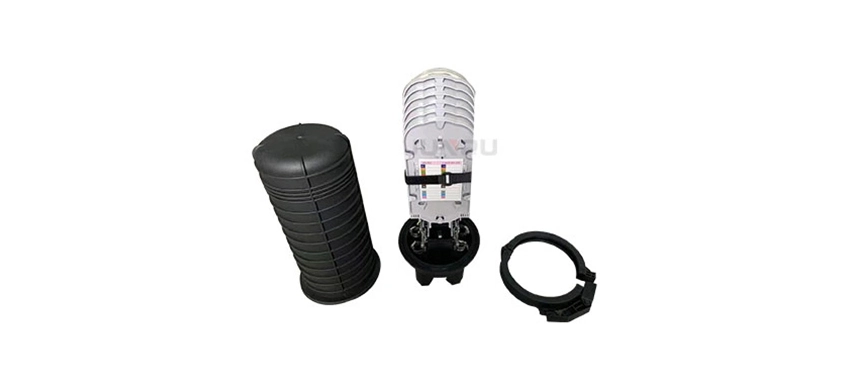
Dome Type (Vertical): Best for underground and manhole installations. Its "bell-jar" design ensures excellent sealing and protection against water pressure at depth. Often used for branching and distribution.
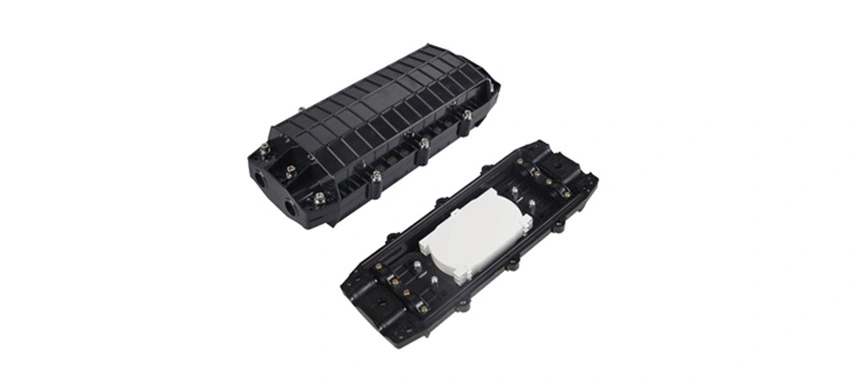
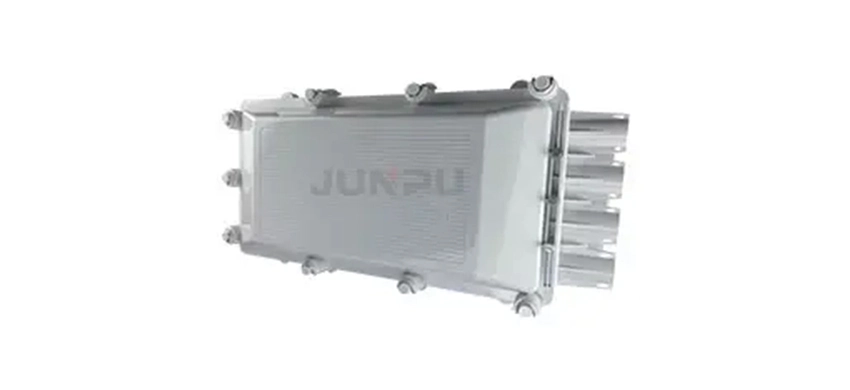
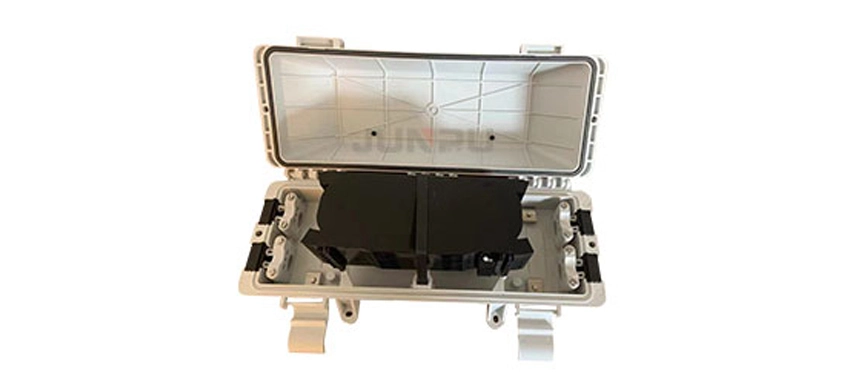
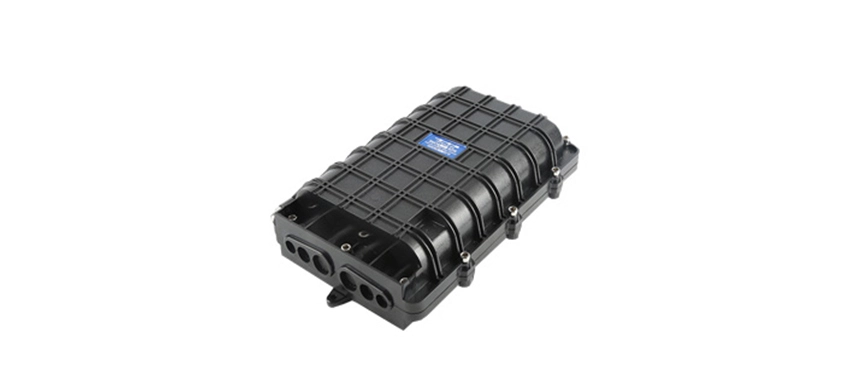
Inline Type (Horizontal): Ideal for aerial and wall-mount applications. Its slim, flat profile reduces wind resistance on poles and is easier to install in narrow spaces or cable trenches.
FAQs: Professional Guide to Fiber Optic Splice Enclosures
What is the main purpose of a fiber optic splice enclosure?
A fiber optic splice enclosure (also known as a joint closure or OFC joint box) is designed to protect fiber optic cable splices from environmental damage. It provides a secure, organized space for fusion splicing and ensures signal integrity by protecting delicate fibers from moisture, dust, and mechanical stress in aerial, underground, or direct burial installations.
What is the difference between Dome and Inline splice enclosures?
Dome Type (Vertical): Features a "bell-jar" shape, ideal for underground and manhole applications. Its structure is excellent for resisting water pressure.
Inline Type (Horizontal): Has a flat, slim profile, making it the best choice for aerial, pole-mount, or wall-mount installations where space is limited and wind resistance must be minimized.
Are JUNPU splice enclosures fully waterproof for direct burial?
Yes. Our enclosures are IP68 certified, the highest standard for water and dust protection. They are made from high-strength modified PP plastic with advanced sealing gaskets, allowing them to withstand permanent immersion in water and heavy soil pressure in direct burial and manhole environments.
How do I choose between Heat-Shrink and Mechanical sealing?
Heat-Shrink Sealing: Uses heat-shrinkable sleeves to create a permanent, high-reliability seal around cable entries. It is preferred for long-term backbone networks.
Mechanical Sealing: Uses rubber gaskets and screws to seal the ports. It is more flexible, allowing for easy re-entry and maintenance without needing specialized heat guns or tools.
What is the maximum fiber capacity of JUNPU splice closures?
We offer a versatile range of capacities to fit different network scales, from small 12-core and 24-core units for FTTH distribution to high-capacity 144-core and 288-core dome closures for major fiber trunk lines.
Product Inquiry
Email us if you are interested in JUNPU communication fiber optic products and solutions.

 English
  日本語
日本語  Deutsch
  italiano
  العربية
  Polska
  Ελλάδα
  română
  slovenský
  Suomi
Suomi  Nederland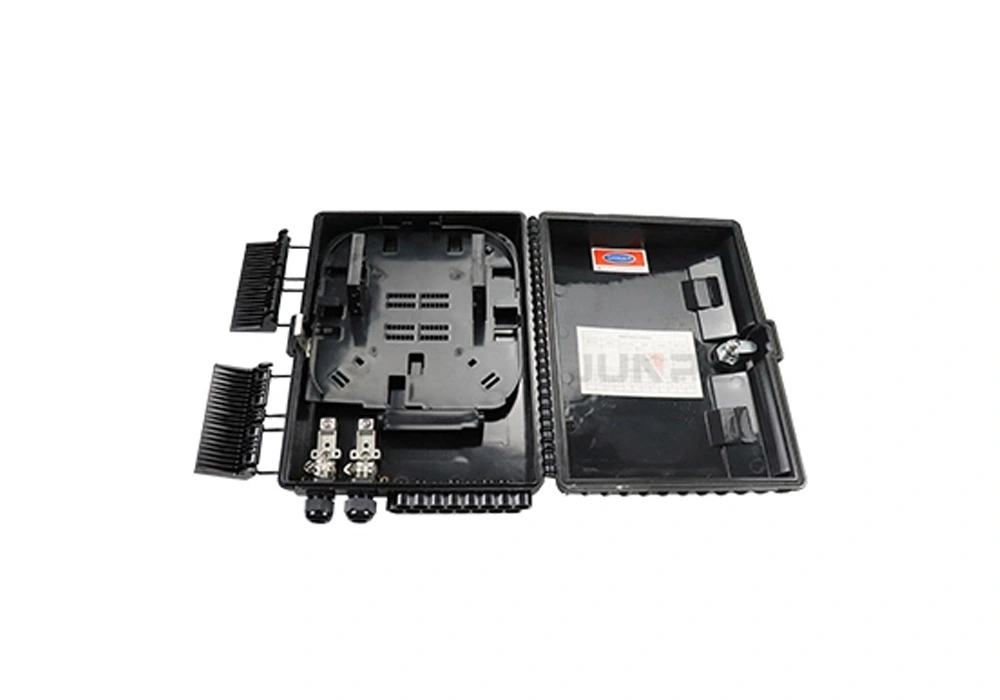






 Call us on:
  Email Us:
  Wanhua Science and Technology Park, No. 528, Shunfeng Road, Donghu Street, Linping District, Hangzhou City, Zhejiang Province