Fiber optic splice closures are critical components in modern telecommunications, ensuring reliable connectivity by protecting fiber optic splices from environmental hazards. Whether deployed in outdoor harsh environments or indoor settings, these closures safeguard the integrity of fiber networks. This guide explores the essentials of fiber optic splice closures, their types, selection criteria, installation methods, and emerging trends, with a focus on helping network engineers and procurement specialists make informed decisions.
What Is a Fiber Optic Splice Closure?
A fiber optic splice closure, also known as a fiber optic splicing enclosure, is a device designed to house and protect fiber optic splices, ensuring secure connections in both indoor and outdoor environments. These closures shield splices from moisture, dust, UV radiation, and mechanical stress, maintaining signal integrity across applications like FTTH (Fiber to the Home), FTTA (Fiber to the Antenna), and data center networks. According to Telcordia GR-771 standards, a reliable closure must withstand environmental stressors while allowing easy access for maintenance.
Insight: Fiber optic splice closures are not just protective housings; they are engineered to meet stringent industry standards, ensuring long-term reliability in diverse applications, from urban broadband to rural 5G deployments.
Types of Fiber Optic Splice Closures
Fiber splice enclosures come in various designs to suit different installation scenarios. Below are the primary types:
Horizontal (In-Line) Closures
Horizontal closures, often cylindrical or flat, are widely used for aerial or underground applications. They typically house multiple splice trays (e.g., 12 or 24 fibers per tray) and are designed for easy access. A 96-fiber horizontal closure, for example, may include four 24-fiber trays, ideal for high-density networks. These closures are made of high-tensile plastic, offering waterproof and dustproof protection (IP68 rating).
Vertical (Dome) Closures
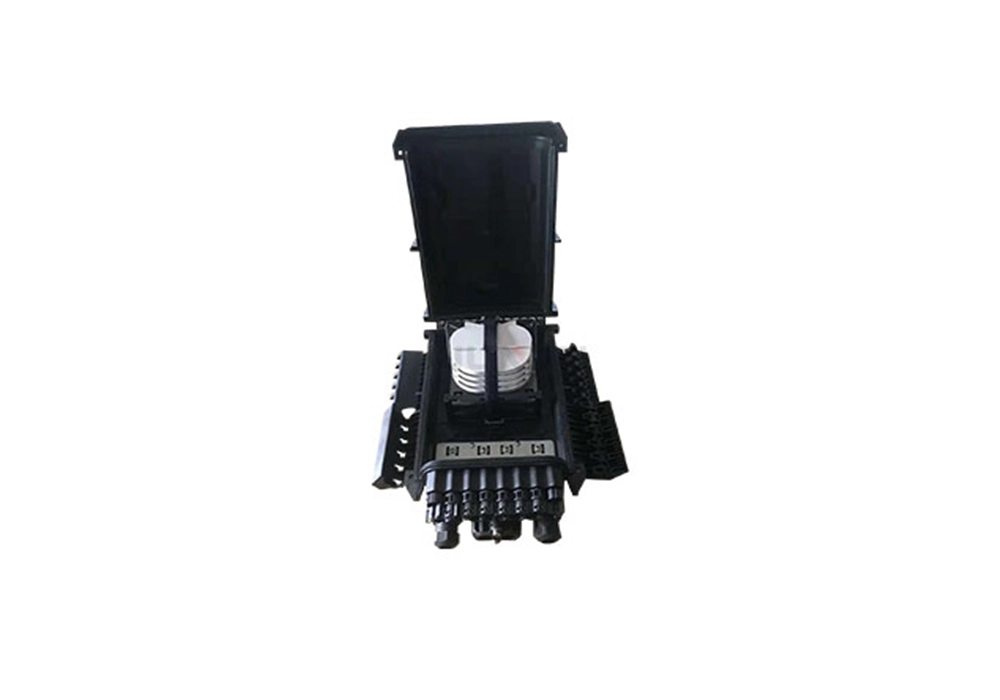
Vertical or dome closures are preferred for buried applications due to their compact, dome-shaped design. They feature high-level sealing to prevent water and insect ingress, making them suitable for harsh underground environments. For instance, a dome closure with five entry ports can support up to 24 splices using two 12-fiber trays.
Indoor Fiber Splice Enclosures
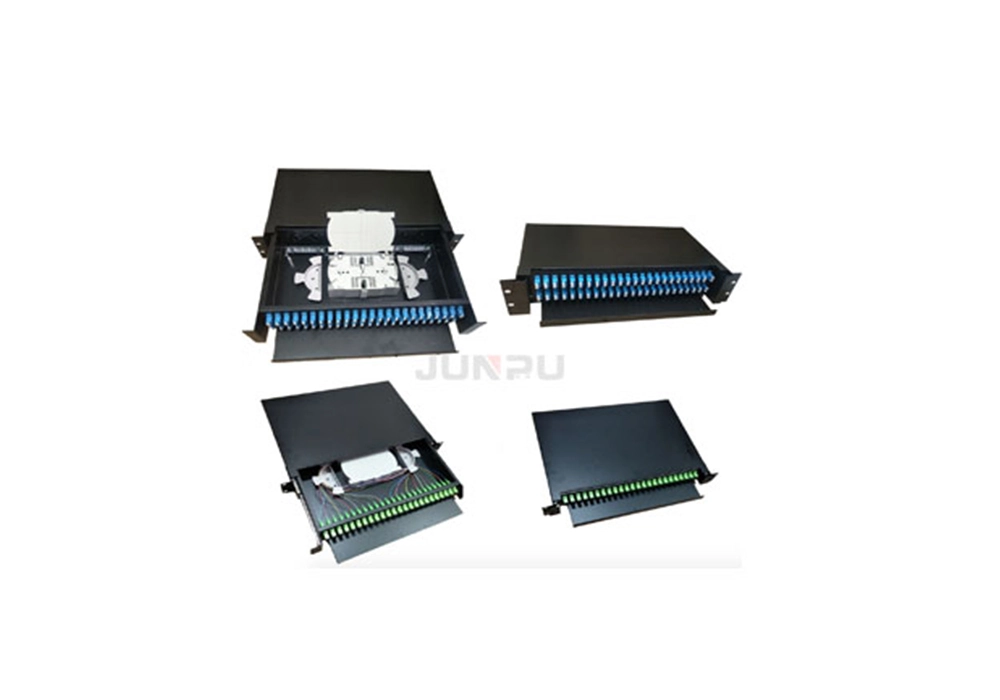
Indoor fiber splice enclosures are designed for controlled environments like data centers or office buildings. These enclosures prioritize space efficiency and ease of access over extreme weather resistance. They often support lower fiber counts (e.g., 12–48 fibers) and are compatible with single-mode and multimode cables.
Insight: Indoor enclosures are critical for FTTH deployments, where compact designs and quick installation are prioritized to meet the growing demand for high-speed internet in residential and commercial spaces.
Wall Mount Fiber Splice Enclosures
Wall-mount fiber splice enclosures are versatile solutions for both indoor and outdoor settings. They are fixed to walls or poles, offering a space-saving option for urban deployments. These enclosures often feature modular designs, allowing technicians to add or reconfigure splice trays as needed.
| Closure Type | Installation Environment | Max Fiber Count | Key Advantage |
| Horizontal (In-Line) | Aerial, Underground, Duct | Up to 96+ | Slim profile, easy to re-enter |
| Vertical (Dome) | Buried, Pole-mount | Up to 144+ | Excellent sealing, space-saving |
| Wall-Mount | Indoor, Building walls | 12 - 48 | Easy access, modular design |
| Indoor Enclosure | Data Centers, Office | 12-24 | Compact, aesthetically pleasing |
Key Features of Waterproof Fiber Optic Splice Closures
Waterproof fiber optic splice closures are engineered for outdoor use, particularly in environments exposed to moisture, dust, or extreme temperatures. Key features include:
IP68 Rating: Ensures complete protection against dust and prolonged water submersion, ideal for fiber splice enclosures outdoor.
UV-Resistant Materials: Prevents degradation from prolonged sun exposure.
Re-Enterable Design: Allows technicians to access splices without compromising the seal.
Gel-Sealed Ports: Enhances waterproofing by sealing cable entry points.
Insight: The IP68 rating is a non-negotiable feature for outdoor closures, as it guarantees reliability in extreme conditions, reducing maintenance costs by up to 30% over non-rated alternatives, according to industry studies.
How to Choose the Right Fiber Splice Enclosure
Selecting the appropriate fiber optic splice closure depends on several factors:
Cable Compatibility
Ensure the closure supports the cable type (e.g., single-mode or multimode) and diameter. For example, loose tube cables require closures with compatible port sizes to prevent signal loss.
Environmental Protection
For fiber splice enclosures outdoors, prioritize IP68-rated, UV-resistant closures. Indoor enclosures may require less stringent ratings but should still protect against dust and humidity.
Splice Capacity and Scalability
Choose a closure with sufficient splice trays for current and future needs. High-capacity closures (e.g., 96 fibers) are ideal for backbone networks, while smaller closures suit drop lines.
Ease of Installation and Maintenance
Opt for closures with tool-less designs or pre-installed splice trays to reduce installation time. Re-enterable closures simplify maintenance, especially in dynamic networks like 5G fronthaul.
Insight: Scalability is critical in modern networks. A closure that supports modular expansion can save up to 20% in upgrade costs by accommodating future fiber additions without replacement.
Installation Guide for Fiber Splice Enclosures
Proper installation ensures the longevity and performance of fiber optic splice closures. Below are key steps for different scenarios:
Aerial Installation
Select Splice Location: Choose accessible, safe locations to avoid hazards.
Mount the Closure: Use a high-tensile steel messenger to secure the closure to utility poles.
Cable Preparation: Strip and clean cables, ensuring no damage to fibers.
Splicing and Sealing: Place splices in trays and seal ports with gel or mechanical seals.
Underground Installation
Prepare the Burial Site: Ensure the site is free of rocks and debris.
Install the Closure: Place the dome closure in a protective vault or directly in the ground.
Seal Thoroughly: Use waterproof seals to prevent moisture ingress.
Test Connections: Verify signal integrity post-installation.
Wall-Mount Installation
Choose a Location: Select a stable, accessible wall or pole.
Secure the Enclosure: Use brackets to mount the closure firmly.
Organize Cables: Route cables neatly to avoid strain on splices.
Seal and Test: Apply seals and test for connectivity.
Insight: Proper installation reduces signal loss by up to 15% and extends closure lifespan, making training technicians on standardized procedures a worthwhile investment.
Maintenance and Troubleshooting Tips
Regular Inspections: Check seals and cables for wear every 6–12 months.
Cleaning: Use dry or wet cleaning methods (e.g., isopropyl alcohol) for adapters and connectors.
Troubleshooting Signal Loss: Inspect splices for bending or contamination using an OTDR (Optical Time-Domain Reflectometer).
Re-Enterable Closures: Ensure seals remain intact after accessing the closure.
Industry Trends and Innovations
The demand for fiber optic splice closures is growing with the expansion of 5G and FTTH networks. Innovations include:
Tool-Less Closures: Simplify installation and maintenance.
Eco-Friendly Materials: Use of recyclable plastics to meet sustainability goals.
High-Capacity Designs: Support for 144+ fibers to accommodate 5G fronthaul needs.
Smart Closures: Integration of sensors for real-time monitoring of environmental conditions.
Insight: The rise of 5G is driving demand for high-capacity, weather-resistant closures, with the global fiber optic closure market projected to grow at a CAGR of 7.2% from 2023 to 2030, according to Grand View Research.
Frequently Asked Questions (FAQ)
What is a waterproof fiber optic splice closure?
A waterproof fiber optic splice closure is a protective housing designed to safeguard fiber optic splices in outdoor environments, featuring an IP68 rating to resist water and dust ingress.
How to install a waterproof fiber optic splice closure for outdoor use?
Choose an IP68-rated closure, prepare cables, place splices in trays, seal ports with gel or mechanical seals, and mount securely (e.g., aerial or underground). Test connections post-installation.
What is the difference between indoor and outdoor fiber splice enclosures?
Indoor enclosures prioritize space efficiency and ease of access, while outdoor enclosures, like waterproof fiber optic splice closures, focus on IP68-rated protection against moisture and UV exposure.
Can wall-mount fiber splice enclosures be used outdoors?
Yes, if they have an IP68 rating and UV-resistant materials, wall-mount fiber splice enclosures are suitable for outdoor applications like urban FTTH deployments.
What is the best fiber splice enclosure for outdoor FTTH networks?
A dome or horizontal closure with an IP68 rating, re-enterable design, and high splice capacity (e.g., 96 fibers) is ideal for FTTH, ensuring scalability and durability.
How to maintain a fiber splice enclosure outdoors?
Inspect seals and cables biannually, clean connectors with isopropyl alcohol, and use an OTDR to diagnose signal issues.
What are the benefits of using a re-enterable fiber optic splice closure?
Re-enterable closures allow technicians to access splices without breaking seals, reducing maintenance time and costs by up to 25%.
References
Telcordia GR-771: Generic Requirements for Fiber Optic Splice Closures. Telcordia Technologies.
Grand View Research: Fiber Optic Closure Market Analysis, 2023–2030.
CommScope: “FTTH Network Design and Deployment Guide.” CommScope Technical Resources, 2024.
Corning: “OptiTect Splice Closure Product Specification.” Corning Incorporated, 2023.
TIA-758: Customer-Owned Outside Plant Telecommunications Infrastructure Standard. Telecommunications Industry Association.
FS Community: Fiber Optic Closure Basics and Selection Guide, 2023.

 English
  日本語
日本語  Deutsch
  italiano
  العربية
  Polska
  Ελλάδα
  română
  slovenský
  Suomi
Suomi  Nederland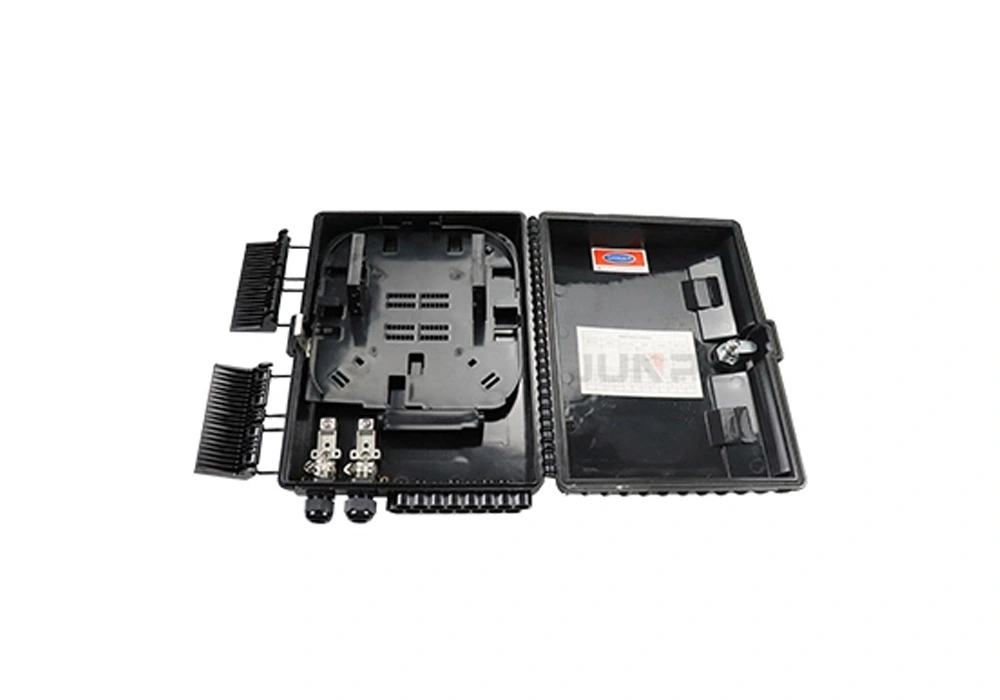






 Call us on:
  Email Us:
  Wanhua Science and Technology Park, No. 528, Shunfeng Road, Donghu Street, Linping District, Hangzhou City, Zhejiang Province