The basic elements of a fiber optic communication system form the foundation of modern high-speed data transmission. These core components of optical fiber communication system — transmitter, optical fiber, receiver, plus supporting elements like amplifiers and multiplexers — enable lightning-fast, interference-free communication over vast distances.
Unlike copper-based systems, fiber optics transmit data as light pulses, offering massive bandwidth, minimal loss, and immunity to EMI. This guide breaks down each fiber optic communication component, explains their functions, how they integrate, and real-world applications. As a leading manufacturer of FTTH and CATV solutions, Junpu provides reliable optical communication components from cables to splice closures. Whether you're studying, designing networks, or sourcing parts, understand these basics to build future-proof systems.
What Is a Fiber Optic Communication System?
A fiber optic communication system uses thin strands of glass or plastic, called optical fibers, to transmit data as pulses of light. This tech is the backbone of modern telecom, delivering high bandwidth, low signal loss, and resistance to pesky electromagnetic interference. Whether you’re streaming movies in 4K or connecting data centers across oceans, fiber optics make it happen with unmatched efficiency.
Why It’s a Big Deal: Compared to copper cables, which rely on electrical signals, fiber optics use light, making them faster, more secure, and less prone to disruptions. It’s no wonder businesses and telecom providers swear by them for long-distance, high-speed communication.
Core Components of a Fiber Optic Communication System
Let’s get to the heart of the system. A fiber optic communication setup has three main basic elements of fiber optic communication system—transmitter, fiber, and receiver—plus some supporting players that keep things running smoothly.
Optical Transmitter
Think of the optical transmitter as the starting point. It takes electrical signals (like your video call data) and converts them into light pulses. The key player here is the light source, which is either a Light-Emitting Diode (LED) or a Laser Diode.
· LEDs: Great for short distances and lower data rates, like in office networks or local area networks (LANs). They’re affordable and less fussy about temperature changes.
· Laser Diodes: Perfect for long-distance, high-speed needs, like undersea cables. They produce a focused beam but need precise conditions to work their magic.
The transmitter also includes an electrical driver circuit that amplifies and modulates the signal to match the light source. This ensures the light pulses accurately carry your data.
Insight: Choosing between LEDs and laser diodes boils down to your project’s scope. For a small business network, LEDs keep costs low. For global telecom networks, laser diodes are the go-to for their power and range.
Optical Fiber Cable
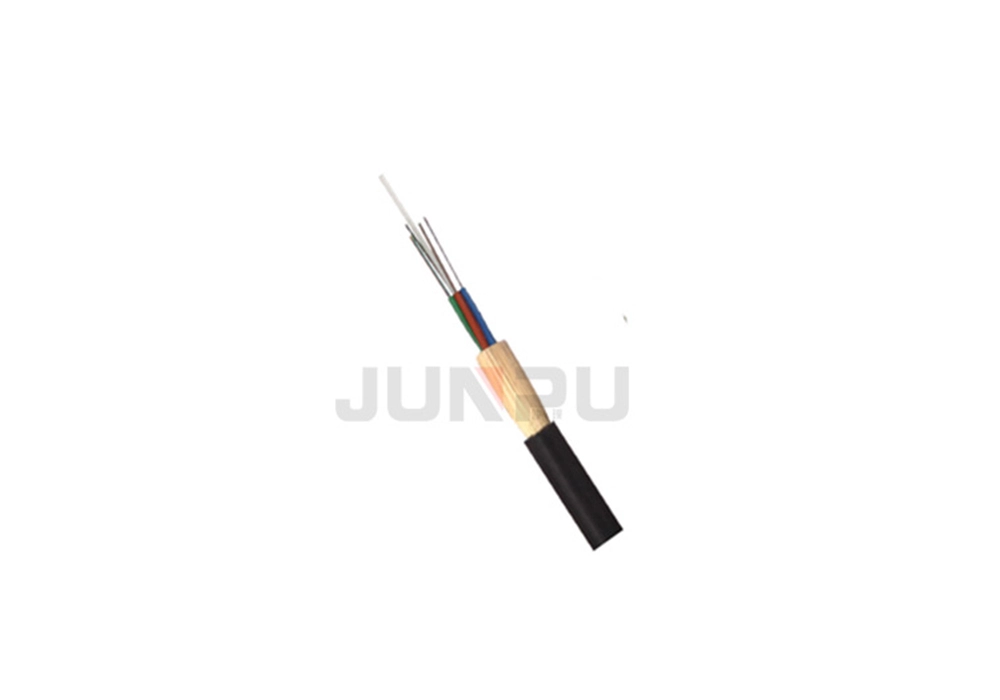
The optical fiber cable is the highway where light pulses travel. It’s a marvel of engineering, made up of several layers:
· Core: The thin glass or plastic center where light travels.
· Cladding: A layer around the core that reflects light back in, using total internal reflection to keep the signal strong.
· Buffer/Coating: Protects the fiber from physical damage and moisture.
· Jacket: The outer layer, shielding the cable from environmental wear and tear.
Types of Fibers:
· Single-Mode Fiber: Has a tiny core (8-10 microns), ideal for long distances with minimal signal loss. Used in telecom backbones.
· Multi-Mode Fiber: Features a larger core (50-62.5 microns), suited for shorter distances like data centers due to higher dispersion.
Insight: Single-mode fibers are pricier but unbeatable for long-haul communication, while multi-mode fibers are cost-effective for shorter runs like campus networks.
Optical Receiver
The optical receiver is the finish line, catching light pulses and turning them back into electrical signals. Its star component is the photodetector, usually a photodiode (like a PN or avalanche photodiode), which detects light and generates an electrical current.
· Key Parts:
Photodetector: Converts light into an electrical signal.
Transimpedance Amplifier (TIA): Amplifies the weak signal for clarity.
Signal Processing Unit: Decodes the signal so your device (like a phone or computer) can use it.
Receivers need to be sensitive enough to pick up faint signals after long journeys and fast enough to handle high-speed data.
Insight: Avalanche photodiodes are pricier but offer superior sensitivity for long-distance systems, while PN photodiodes are a budget-friendly choice for shorter setups.
Supporting Components Of Optical Fiber Communication System
The core components get a lot of help from supporting players. These additional optical communication components are essential for system performance and flexibility:
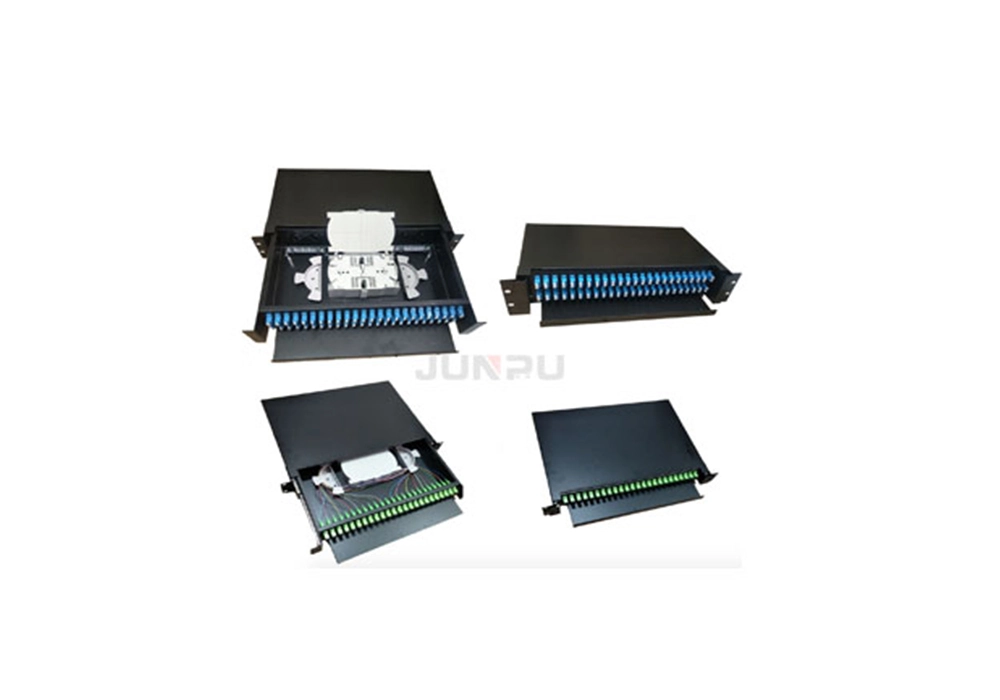
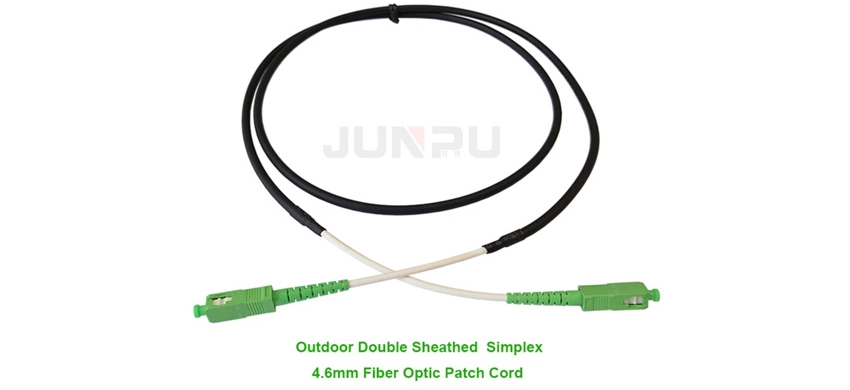
· Connectors: Ensure precise fiber alignment to minimize signal loss (e.g., SC, LC, ST connectors).
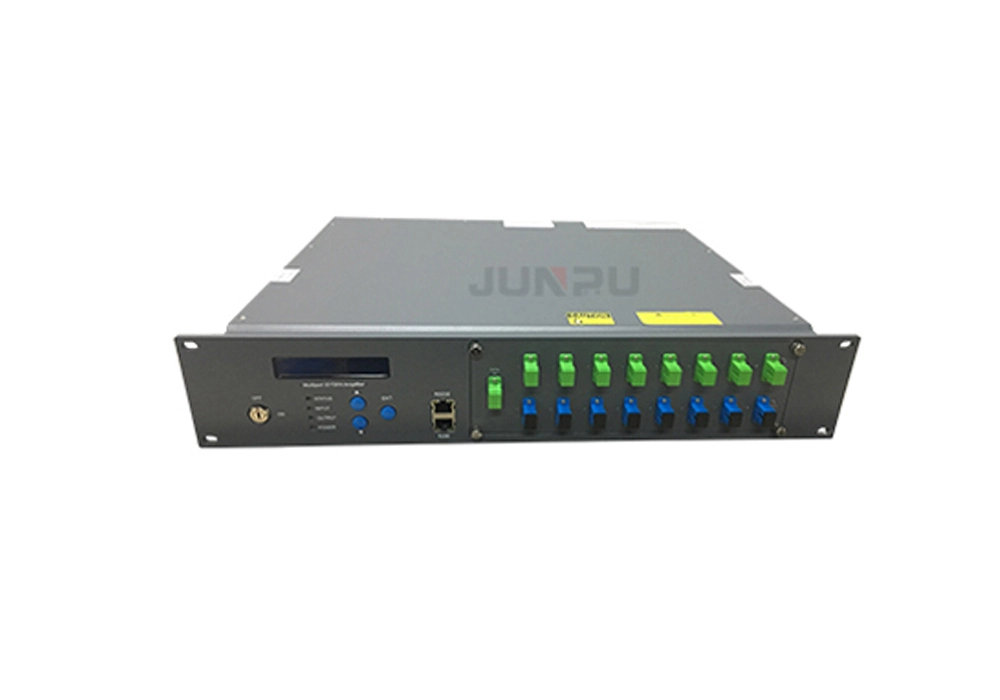
· Optical Amplifiers: Boost light signals over long distances without converting them to electrical signals. Erbium-Doped Fiber Amplifiers (EDFAs) are a popular choice.
· Multiplexers: Combine multiple signals onto one fiber using techniques like Wavelength Division Multiplexing (WDM).
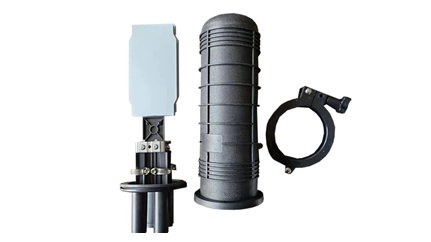
· Splices: Join fibers seamlessly, either mechanically or through fusion splicing.
Insight: Optical amplifiers like EDFAs are a cost-effective way to extend signal range without expensive repeaters, making them critical for global networks.
Block Diagram of Fiber Optic Communication System
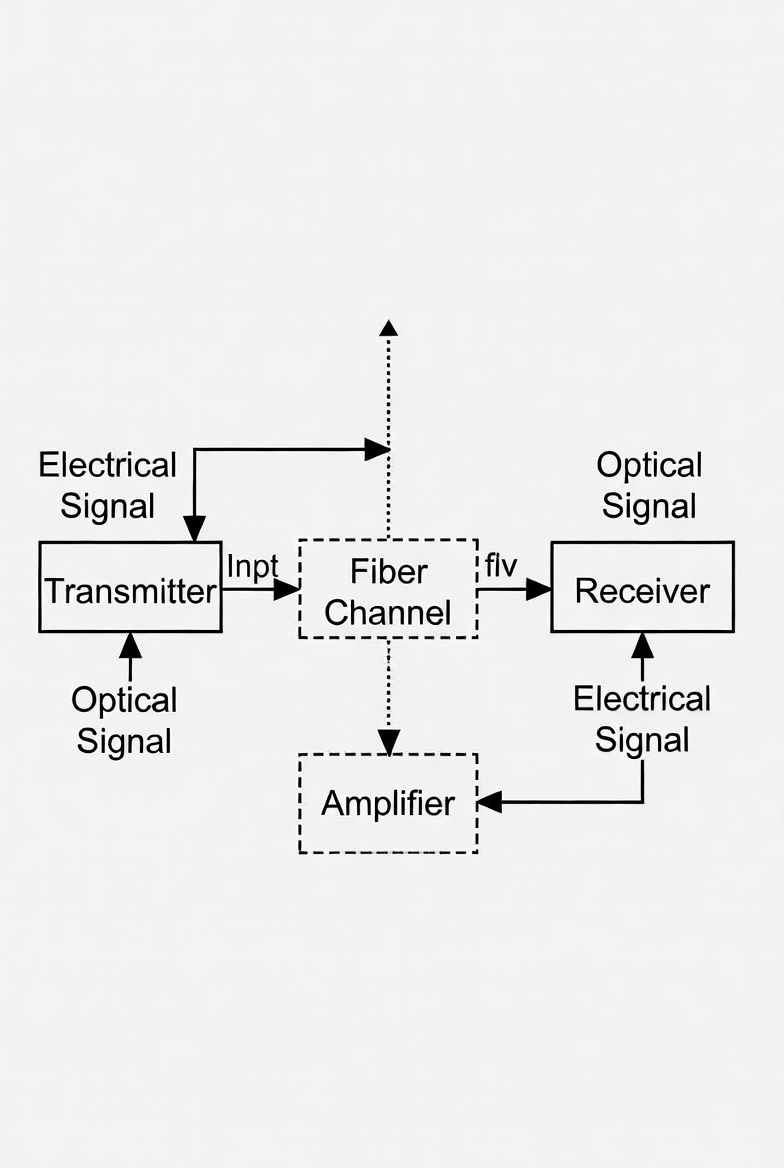
To visualize how the basic elements of a fiber optic communication system interact, here is a standard block diagram that illustrates the complete signal flow from source to destination.
Block Diagram Description
The typical block diagram of a fiber optic communication system includes the following sequential stages:
Information Source → Provides the original data (voice, video, text, etc.) as an electrical signal.
Encoder / Modulator → Encodes the data (e.g., digital encoding or analog modulation) and prepares it for transmission.
Transmitter (Electrical-to-Optical Converter - E/O) → Converts the electrical signal into optical pulses using a light source (LED or laser diode) driven by a modulation circuit.
Fiber Channel (Optical Fiber Cable) → Transmits the light pulses over long distances with minimal loss, thanks to total internal reflection in the core and cladding.
Optical Amplifier (Optional) → Boosts the weakened optical signal for long-haul transmission (e.g., using Erbium-Doped Fiber Amplifier - EDFA) without converting it back to electrical form.
Receiver (Optical-to-Electrical Converter - O/E) → Detects the incoming light pulses with a photodetector (PIN or APD photodiode), amplifies the weak electrical signal, and restores it.
Decoder / Signal Processing → Decodes and processes the electrical signal to recover the original information.
Output / Destination → Delivers the data to the end user or device (e.g., computer, TV, phone).
How These Components Work Together
Picture a fiber optic system like a relay race. This process describes the main components of optical transmission system.
1. The optical transmitter takes your data (say, a video stream) and converts it into light pulses.
2. The optical fiber cable carries those pulses across miles, with cladding keeping the light on track via total internal reflection.
3. The optical receiver catches the light and converts it back into an electrical signal for your device to process.
Supporting components like connectors and amplifiers ensure the signal stays strong and clear, even over thousands of miles.
Applications of Fiber Optic Communication Systems
Fiber optics are everywhere, quietly powering our world:
· Telecommunications: High-speed internet, phone lines, and cable TV rely on fiber’s bandwidth.
· Data Centers: Multi-mode fibers connect servers for lightning-fast data transfer.
· Medical Field: Fibers enable non-invasive imaging in tools like endoscopes.
· Military: Secure, interference-free communication for defense systems.
· Industrial: Fiber optic sensors monitor temperature, pressure, and more in harsh environments.
Insight: The global fiber optic market is expected to hit $9.2 billion by 2027, fueled by demand for 5G and high-speed internet. Investing in fiber now is a smart move for future-proof connectivity.
Table: Common Applications of Fiber Optic Systems
Application | Use Case | Fiber Type |
Telecommunications | Internet, phone, cable TV | Single-mode |
Data Centers | Server-to-server data transfer | Multi-mode |
Medical Imaging | Endoscopes, surgical tools | Multi-mode |
Military | Secure communication systems | Single-mode |
Industrial Sensors | Monitoring in harsh environments | Multi-mode/Single-mode |
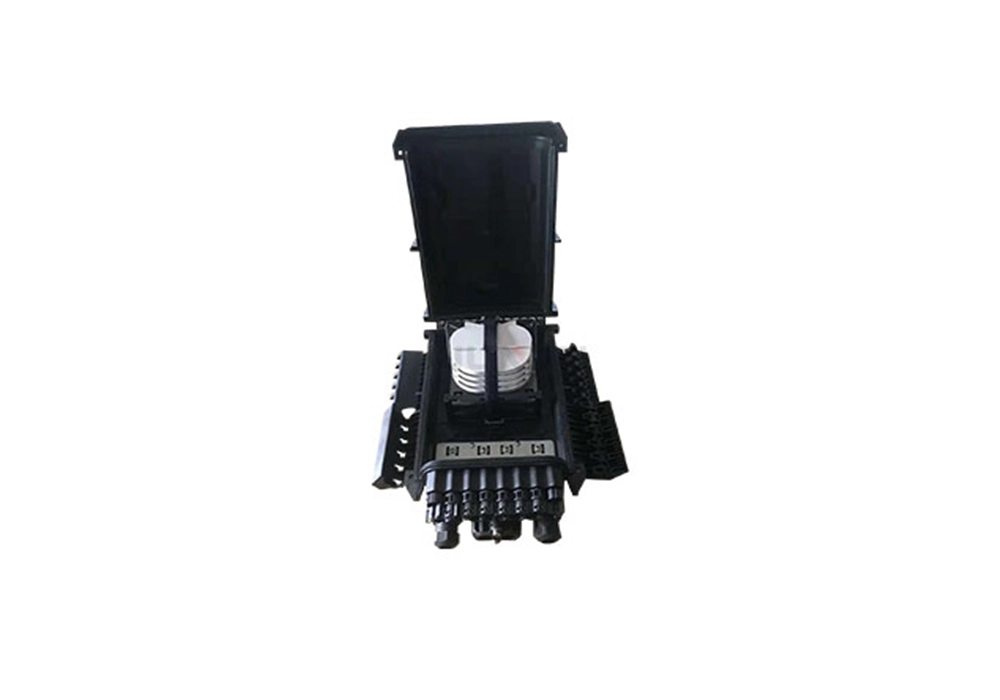
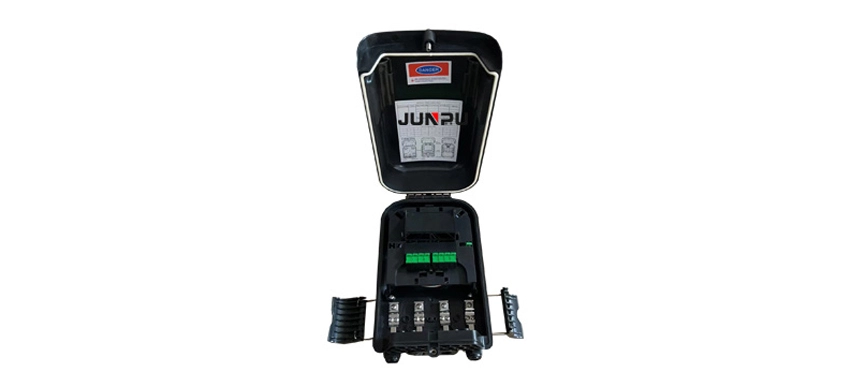
Building or upgrading a fiber optic network requires reliable components of optical communication system from a trusted supplier. JUNPU, as a professional manufacturer, provides a comprehensive portfolio of the core components of optical fiber communication systems, from transceivers and cables to splice closures and distribution boxes. Whether you're designing a FTTH network or a data center backbone, we offer solutions and support.
Insights into Fiber Optic Technology
Here’s what you need to know about fiber optics today:
· Future-Proofing: Fiber’s massive bandwidth supports emerging tech like 6G, IoT, and smart cities.
· Cost vs. Benefit: While fiber installation costs more upfront than copper, its low maintenance and high reliability save money long-term.
· Innovation: Advances like bend-insensitive fibers and WDM are making fiber optics more versatile and efficient.
Frequently Asked Questions (FAQ)
What are the basic elements of optical fiber communication system?
The main components are the optical transmitter (converts electrical signals to light), optical fiber cable (transmits light), and optical receiver (converts light back to electrical signals).
Supporting components include connectors, amplifiers, and multiplexers.
What are the main components of a fiber optic cable?
A fiber optic cable consists of:
Core: Thin glass/plastic center carrying light.
Cladding: Surrounds core, reflects light via total internal reflection.
Buffer/Coating: Protects from moisture and damage.
Jacket: Outer layer for environmental protection (and optional strength members/armor).
These form the components of optical fiber communication system transmission medium. Junpu provides durable cables (single-mode/multi-mode, GYFTY, GYXTW, etc.) for indoor/outdoor use. See details on our fiber cable page.
How does an optical transmitter and receiver circuit work?
The transmitter uses a light source (LED or laser diode) to turn electrical signals into light pulses. The receiver uses a photodetector to convert those pulses back into electrical signals for processing.
What’s the difference between single-mode and multi-mode fiber?
Single-mode fibers have a small core for long-distance, low-loss transmission, while multi-mode fibers have a larger core for shorter distances with higher dispersion.
Why choose fiber optic communication over copper?
Fiber offers higher bandwidth, lower signal loss, and immunity to electromagnetic interference, making it ideal for high-speed, long-distance applications.
How do optical amplifiers enhance fiber optic systems?
Optical amplifiers, like EDFAs, boost light signals directly, extending transmission range without converting to electrical signals, saving cost and complexity.
What are the applications of optical fiber communication?
Applications include telecom (internet, phone, TV), data centers, medical imaging, military communications, and industrial sensors.
Ready to Source Quality Fiber Optic Components?
This guide covered the theory. To put it into practice with reliable, cost-effective parts, partner with JUNPU. We supply all the 'components of an optical communication system' to contractors, integrators, and wholesalers worldwide.
How does WDM technology integrate with fiber optic components?
WDM (Wavelength Division Multiplexing) combines multiple signals on one fiber using different wavelengths, multiplying capacity without new cables. It works with transmitters, fibers, EDFAs, and demux at receivers. Essential for modern high-capacity networks. Junpu's WDM/PON solutions optimize this—see our EDFA WDM page.
References
· Elprocus. (2014). Basic Elements of a Fiber Optic Communication System.
· Wikipedia. (2006). Fiber-optic communication.
· TutorialsPoint. (2021). Principles of Optical Fiber Communications.
· Cable Wholesale. (2020). Basic Elements of a Fiber Optic Communication System.
· Quarktwin. (2024). The Essentials of Fiber-Optic Communication Systems.
· NEON. (2024). How Do Fiber Optic Communication Systems Work.
· TrueCABLE. (2024). Basic Components of a Fiber Optic Cable.
· OFS Optics. (2022). How Do Communications Fiber Optic Cables Work?

 English
  日本語
日本語  Deutsch
  italiano
  العربية
  Polska
  Ελλάδα
  română
  slovenský
  Suomi
Suomi  Nederland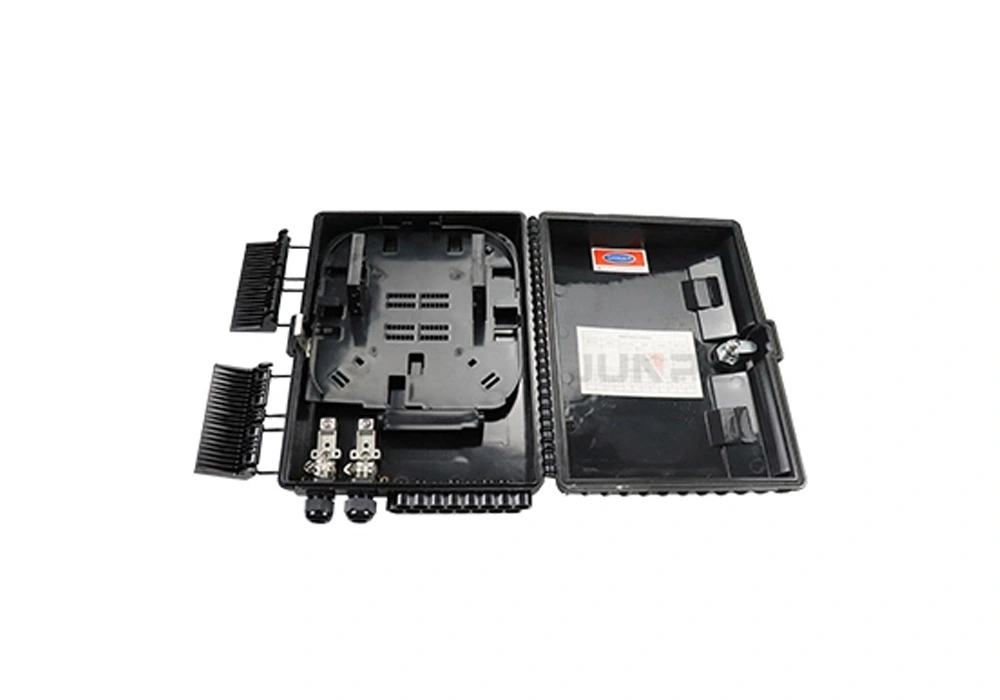






 Call us on:
  Email Us:
  Wanhua Science and Technology Park, No. 528, Shunfeng Road, Donghu Street, Linping District, Hangzhou City, Zhejiang Province