Introduction
In the world of fiber optic networking, one size does not fit all. A critical decision that network designers and installers face is choosing between indoor and outdoor fiber optic cables. Using the wrong type can lead to premature failure, signal loss, and costly repairs. In this guide, we'll break down the key differences, explain why they matter, and introduce you to JUNPU's durable and cost-effective cable solutions designed for any environment.
What is the Core Difference?
At its simplest, the fundamental difference between indoor and outdoor fiber optic cables boils down to their construction and protective coating. This is dictated by their operating environment:
Indoor Cables: are designed for safety and flexibility within controlled environments.
Outdoor Cables: are built for durability and protection against harsh external conditions.
Breaking Down Outdoor Fiber Optic Cables
Outdoor cables are the rugged workhorses of the fiber world. They are engineered to withstand extreme weather, moisture, temperature fluctuations, and even rodent attacks.
Key Characteristics:
Robust Jacket: Typically made from Polyethylene (PE), which is excellent at resisting moisture, UV radiation, and abrasion.
Water Resistance: Often include water-blocking gels or dry water-blocking powders/tapes within the cable core to prevent water penetration, which can damage fibers and degrade signal quality.
Strength Members: Contain a central streel wire or fiberglass rod known as an Anti-Rodent Strength Member to provide mechanical strength, resist crushing, and protect against rodents.
Loose-Tube Construction: Many outdoor cables use a loose-tube design where the fibers are housed loosely within a protective tube, allowing them to expand and contract with temperature changes without stress.
Common JUNPU Outdoor Solutions:
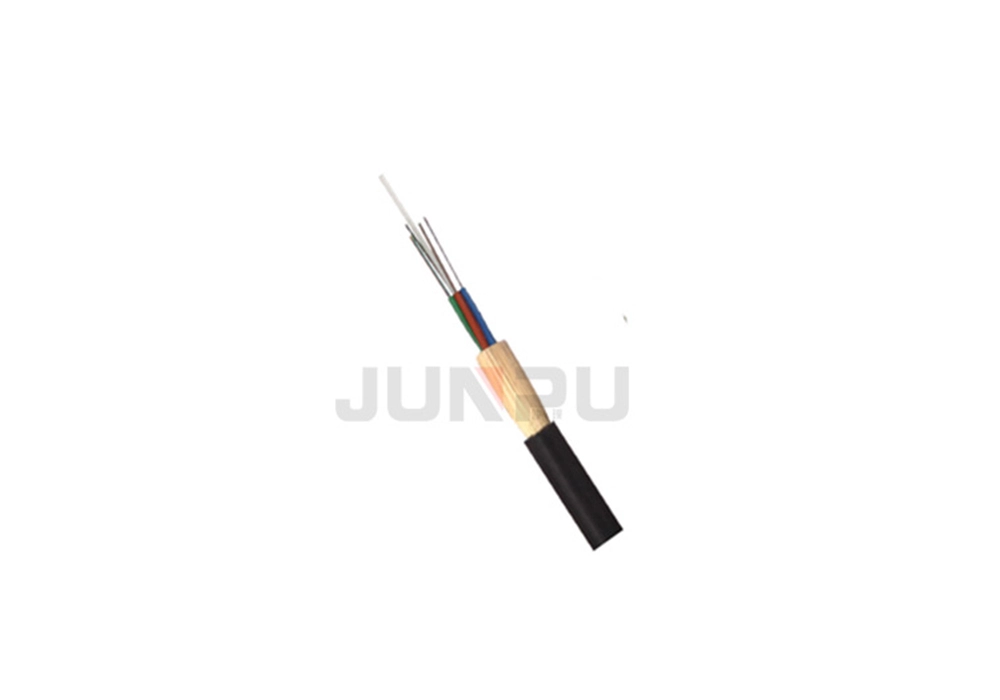
Outdoor Optical Cables: Our range is built with premium PE jackets and robust strength members for long-term reliability.
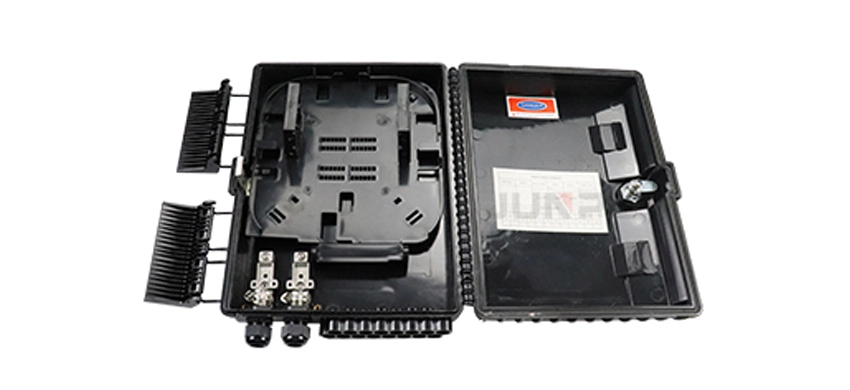
FODB-0416M 16 Core Fiber Optic Box Outdoor: A perfect companion for terminating and protecting outdoor cables at the entry point to a building.
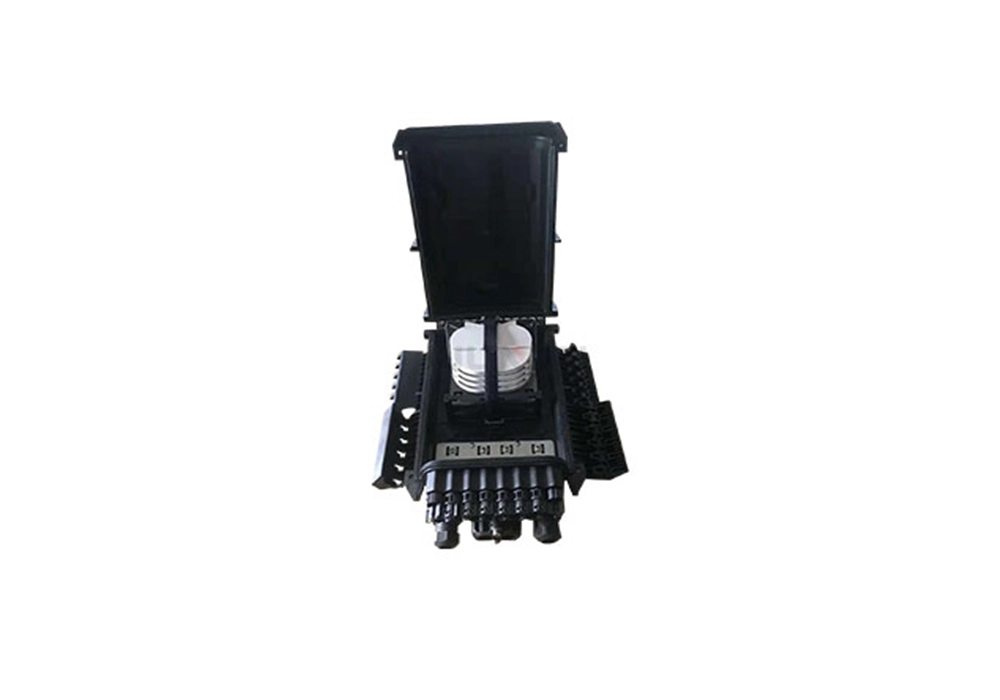
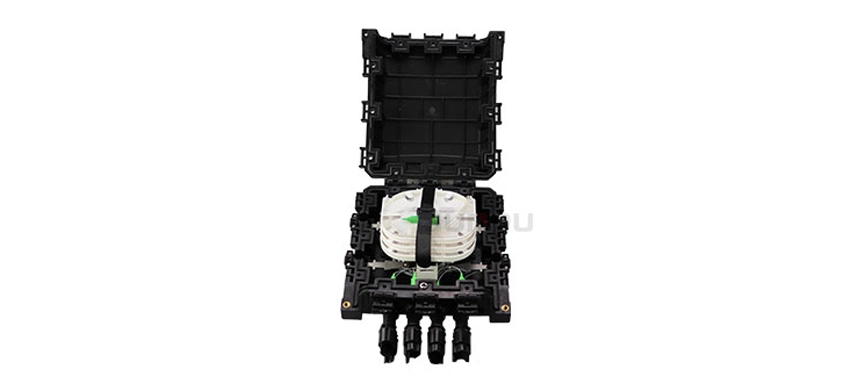
16 Ports Fiber Optic Splice Closure: Designed with remarkable sealing capabilities to safeguard fiber splices against dust, water, and other external elements in outdoor settings.
Breaking Down Indoor Fiber Optic Cables
Indoor cables are designed for use inside buildings, where the environment is more controlled but space can be tight and fire safety is paramount.
Key Characteristics:
Fire-Retardant Jacket: Made from Polyvinyl Chloride (PVC) or Low Smoke Zero Halogen (LSZH) materials. LSZH is crucial in plenums and risers because it emits minimal smoke and no toxic halogens when burned.
Tight-Buffered Construction: The fiber is coated with a thick plastic layer directly, making the cable more flexible, crush-resistant, and easier to terminate without special kits.
Flexibility and Size: They are generally more flexible and have a smaller diameter than outdoor cables, making them easier to route through walls, ceilings, and conduits.
No Water Blocking: Typically do not contain water-blocking gel, as it is unnecessary and messy for indoor installations.
Common JUNPU Indoor Solutions:
Indoor Fiber Optic Cables: Our cables use compliant PVC/LSZH jackets for safety and flexibility.
Fiber Optic Patch Cords: Like our 4.6mm Simplex Outdoor Fiber Optic Patch Cable (which has outdoor durability) and our indoor-specific patches for connecting equipment within racks.
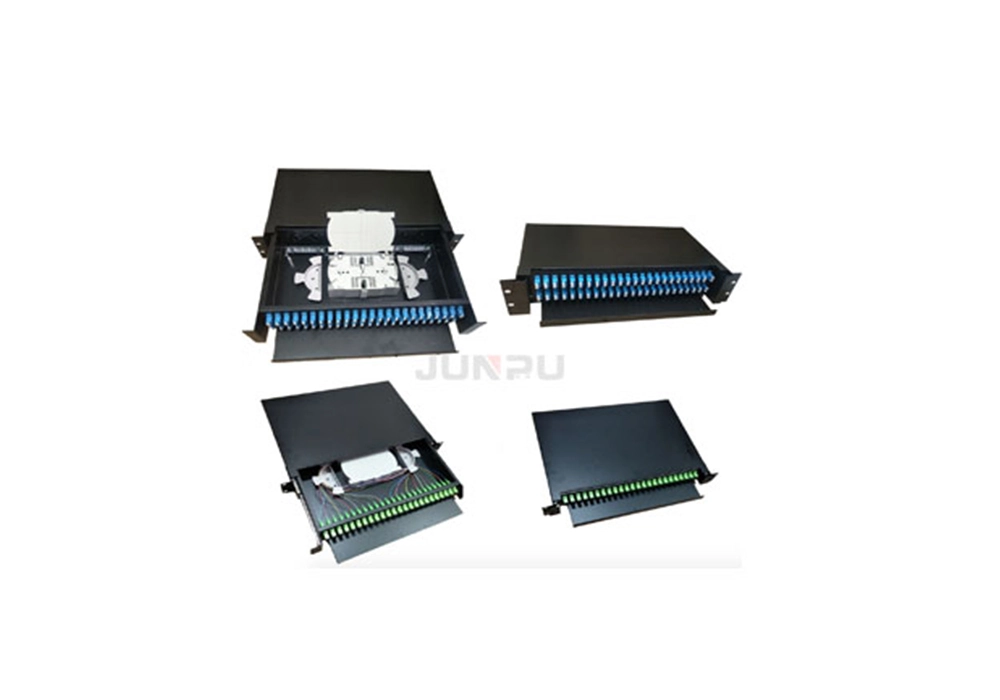
12 Cores SC PC Fan-out Fiber Optic Pigtail: Ideal for tidy and efficient termination in indoor distribution frames.
Side-by-Side Comparison Table
Feature | Outdoor Cable | Indoor Cable |
Primary Jacket | Polyethylene (PE) | PVC or LSZH |
Key Protection | Against Moisture, UV, Crushing | Against Fire, Flexibility |
Construction | Loose-Tube or Armored | Tight-Buffered |
Strength Member | Central Steel Wire / Rod | Aramid Yarn (Kevlar) |
Water Resistance | Gel-Filled or Dry-Blocked | Not Typically Required |
Core Concern | Durability & Longevity | Fire Safety & Flexibility |
The Hybrid Solution: Indoor/Outdoor Cables
To simplify transitions, Indoor/Outdoor cables are available. They feature a PE jacket with LSZH sub-jackets, eliminating the need for a transition point at the building entry. JUNPU can provide guidance on when such a solution is appropriate for your project.
Why Choosing the Right Cable Matters
Selecting the incorrect cable can have serious consequences:
Using an Indoor Cable Outdoors: It will quickly degrade from UV exposure, become brittle, and allow moisture ingress, leading to total network failure.
Using an Outdoor Cable Indoors: The PE jacket does not meet fire codes. In a fire, it can burn rapidly and produce toxic smoke, creating a significant safety hazard and violating building regulations.
JUNPU: Your Partner for the Right Fiber Solution
Understanding the difference between indoor and outdoor fiber optic cables is the first step. Sourcing them from a reliable manufacturer is the next. JUNPU provides a comprehensive range of both indoor and outdoor fiber optic cables and accessories, all manufactured under strict quality control.
Our technical team doesn't just sell products; we offer comprehensive solutions for FTTH, Data Centers, and Telecommunication Networks. We ensure you get the right cable for the job, reducing long-term procurement costs and ensuring network reliability.
Technical FAQ: Integrating Cables into the Broader Network
At what physical point must an outdoor cable transition to an indoor cable?
According to most international building codes (such as NEC), an unrated outdoor fiber cable running into a facility must terminate or transition to a code-compliant indoor flame-retardant line within 15meters(50feet) of entering the building structure. This transition is typically handled inside an outdoor optical distribution box mounted near the entry terminal.
How does cable selection affect downstream optoelectronic hardware like receivers?
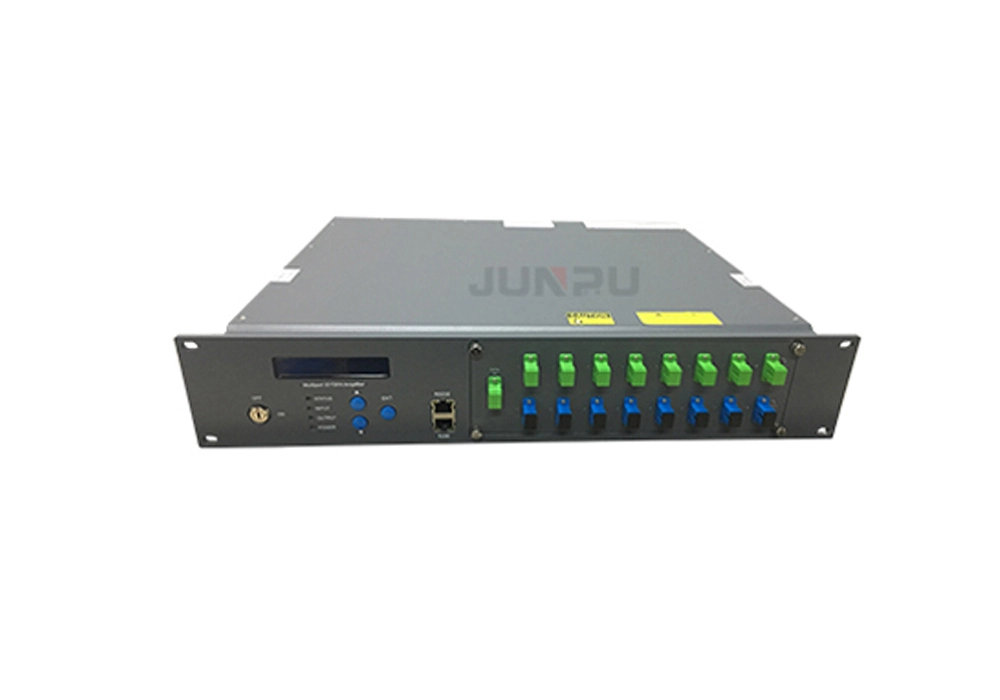
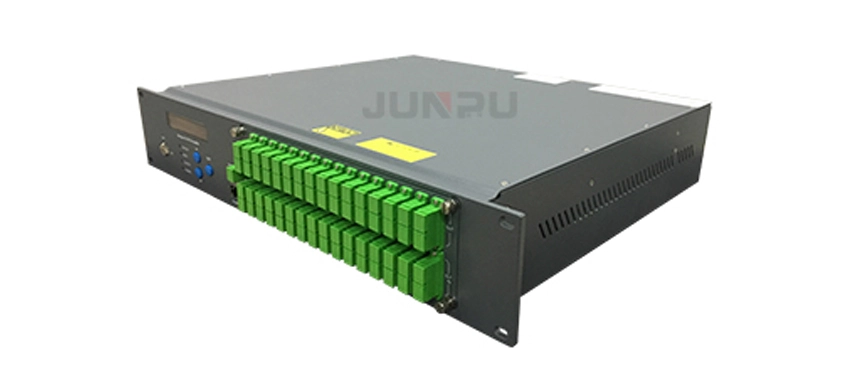
Cable choice directly impacts the stability of the light signal arriving at your active hardware. If an unarmored indoor cable is accidentally placed in an outdoor duct, environmental stress will cause attenuation to spike. This starves downstream active devices, such as a high-sensitivity passive optical receiver or a remote optical node, of optical input power. This drops the signal-to-noise ratio and ruins multi-channel CATV or broadband delivery.
Does the type of cable construction alter the optical properties of the network?
No. Whether you choose a loose-tube outdoor cable or a tight-buffered indoor cable, the inner components of optical fiber strands (the glass core and cladding) remain identical. The laser signals transmitted from your central 1550nm optical transmitter will behave exactly the same way, provided the outer mechanical layers properly shield the inner glass from external physical stress.
Conclusion
The choice between indoor and outdoor fiber optic cables is a critical one, dictated by environmental factors and safety codes. By understanding their distinct constructions and purposes, you can design robust and compliant networks.
For durable, cost-effective, and code-compliant fiber solutions you can trust, look no further than JUNPU. Explore our full range of products to find the perfect cable and accessories for your next indoor or outdoor project.

 English
  日本語
日本語  Deutsch
  italiano
  العربية
  Polska
  Ελλάδα
  română
  slovenský
  Suomi
Suomi  Nederland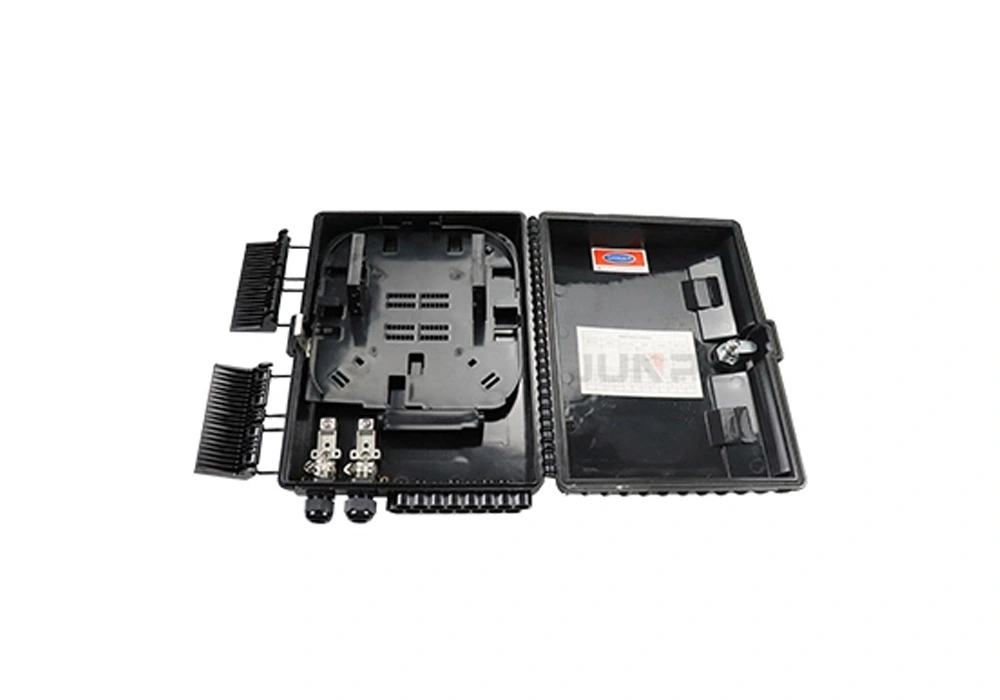




 Call us on:
  Email Us:
  Wanhua Science and Technology Park, No. 528, Shunfeng Road, Donghu Street, Linping District, Hangzhou City, Zhejiang Province