Fiber Termination Boxes (FTBs) are crucial components in fiber optic networks, facilitating the termination, connection, and management of optical fibers. Proper installation and maintenance of FTBs are essential to ensure the reliability and performance of the network infrastructure.
What is a Fiber Optic Terminal Box?
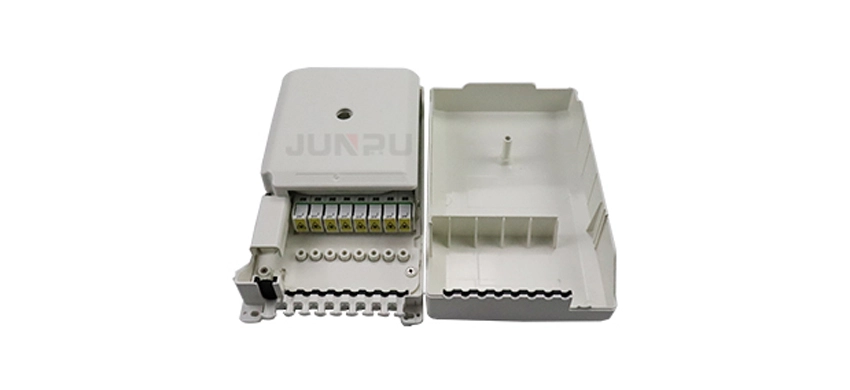
A Fiber Optic Terminal Box (FTB) is a protective enclosure used to organize, terminate, and distribute optical fiber cables. It serves as the interface between the external optical fiber network and the internal wiring system, ensuring organized fiber management, secure connections, and protection from environmental and mechanical damage.
Key Features and Functions
Termination Point: Securely houses and terminates fiber optic cables.
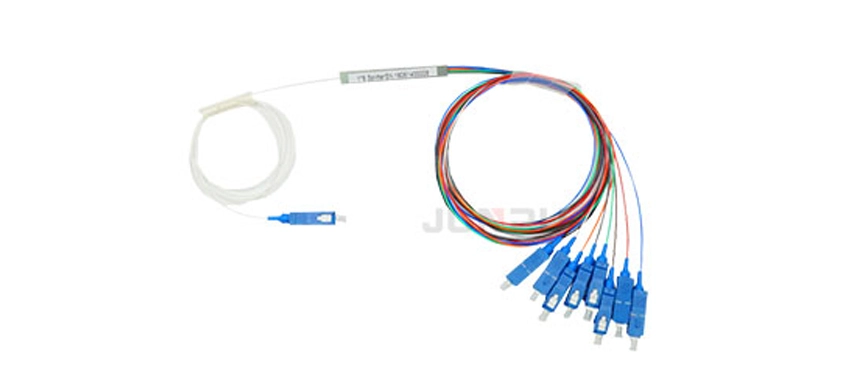
Splicing & Splitting: Allows fusion splicing and splitter integration.
Cable Management: Maintains optimal fiber bend radius and organized routing.
Protection: Shields against moisture, dust, physical impact, and UV (for outdoor models).
Insight:
In structured cabling systems, consistent use of labeled terminal boxes improves Mean Time to Repair (MTTR) by up to 40%, particularly in high-density environments like data centers.
Types of Fiber Optic Terminal Boxes
| Type | Description | Applications |
| Indoor FTB | Designed for enclosed environments; compact and clean look | Offices, server rooms |
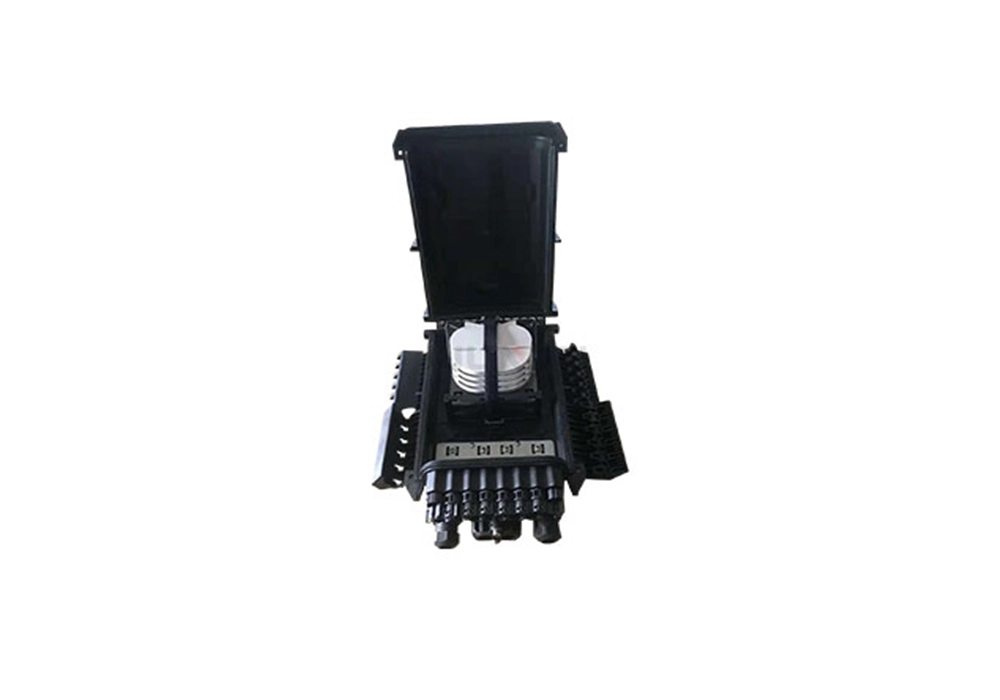
| Outdoor FTB | IP-rated enclosures for harsh weather and UV exposure | Street cabinets, poles |
| Wall-Mounted | Mounted on flat surfaces, flexible for many environments | Homes, buildings, nodes |
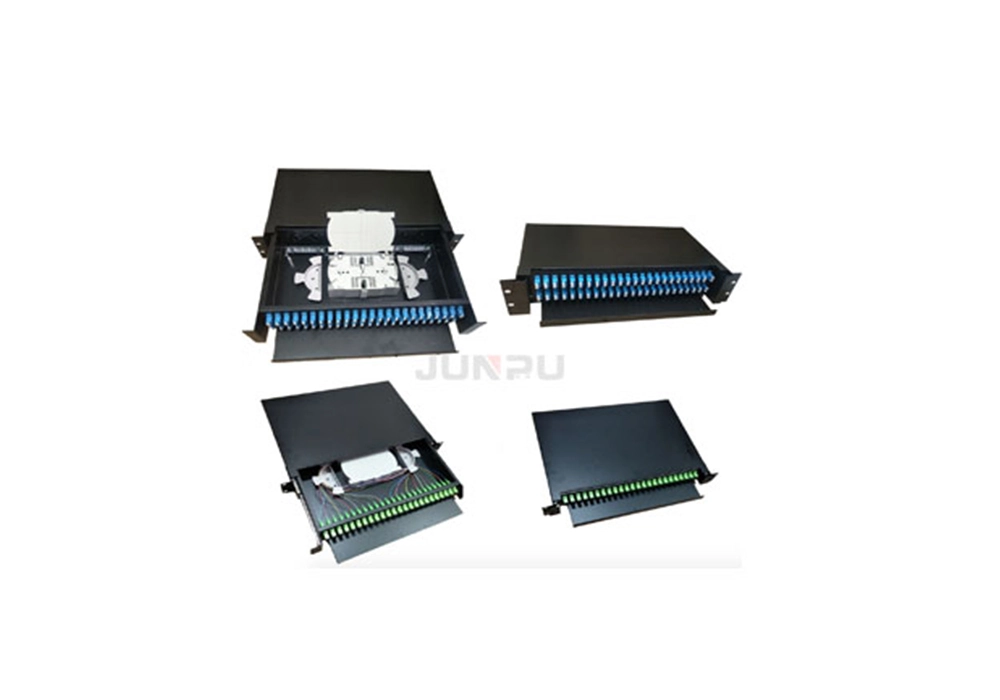
| Rack-Mounted | Fits into 19" racks; high capacity | Data centers, telecom hubs |
Fiber Optic Terminal Box vs. Junction Box
|
|
|
| Feature | Fiber Optic Terminal Box | Fiber Junction Box |
| Purpose | Termination & management | Cable splicing only |
| Access | User-accessible | Technician-only |
| Common Use Case | FTTH, LAN, central offices | Long-distance trunk cabling |
Insight:
Choosing a terminal box when splicing isn't required simplifies access for non-technical maintenance.
Installation Best Practices
Site Assessment: Evaluate space, environment, and mounting needs.
Proper Mounting: Use anchors, screws, or rails for stability.
Cable Management: Maintain bend radius (>30mm recommended).
Labeling: Clearly mark fibers, splitters, and splice trays.
Insight:
Color-coded pigtails and labeled splice trays aren’t just cosmetic—they help reduce human errors during maintenance, especially when multiple technicians manage the same node.
Maintenance Tips
Routine Inspections: Check for dust, moisture, and mechanical wear.
Connection Tightness: Ensure adapters and connectors are secure.
Fiber Cleaning: Use dry cleaning pens or isopropyl swabs.
Documentation: Log every splice, port, and maintenance task.
Choosing the Right Terminal Box for Your Network
Considerations:
Fiber Count Needs: Plan for current and future terminations.
Environment: Choose IP65+ for outdoor use.
Mounting Space: Check wall or rack space availability.
Scalability: Pick models with expansion trays or modular ports.
Insight:
Opting for modular and scalable terminal boxes can lower long-term network upgrade costs by 30–50%, especially in fast-expanding FTTH deployments.
A fiber optic terminal box is a small component with a big impact. From ensuring signal integrity to simplifying future upgrades, choosing and installing the right FTB is essential to network reliability. By understanding its types, installation practices, and key selection criteria, network professionals can make informed decisions that benefit performance and scalability.
For more information, browse our full fiber terminal box series on Junpu's website: https://www.junpu-catv.com/

 English
  日本語
日本語  Deutsch
  italiano
  العربية
  Polska
  Ελλάδα
  română
  slovenský
  Suomi
Suomi  Nederland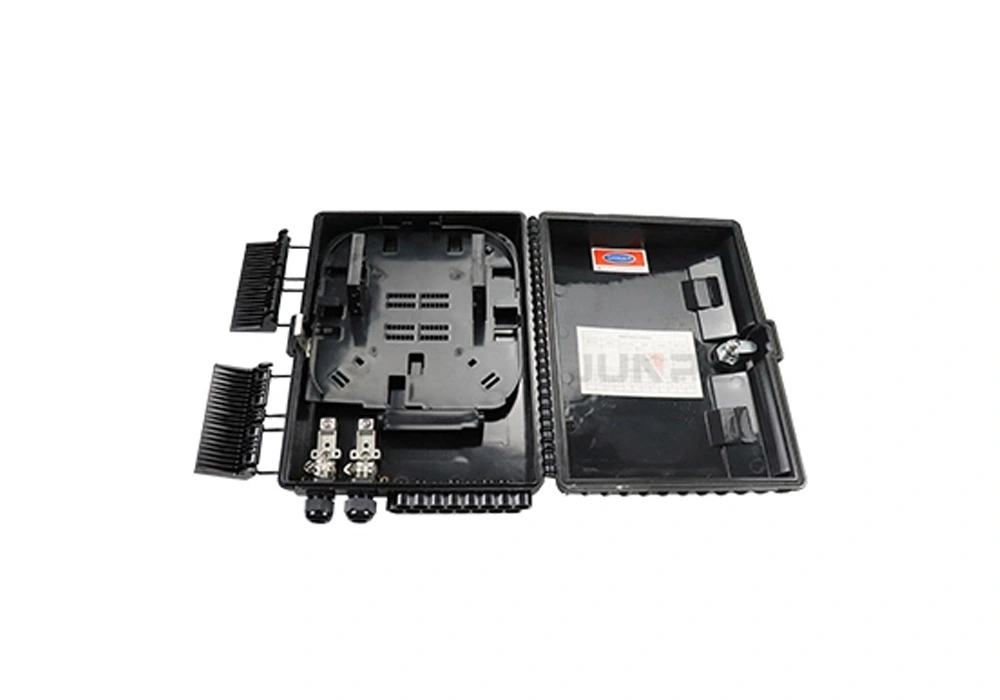





 Call us on:
  Email Us:
  Wanhua Science and Technology Park, No. 528, Shunfeng Road, Donghu Street, Linping District, Hangzhou City, Zhejiang Province