Introduction
In the rush to deploy Fiber to the Home (FTTH) networks, one of the biggest threats to network infrastructure isn't natural disasters—it’s the technician’s cable management. I’ve witnessed this firsthand: you open a fiber optic terminal box on a pole or in a handhole, only to be greeted by a mess of tangled cables known in the industry as a “fiber nest.”
These nests lead to macro-bending losses, make future maintenance a nightmare, and drastically shorten the lifespan of your network. For network operators and ISPs, ignoring the quality of your passive components—specifically the fiber optic splice closure and terminal boxes—is a financial time bomb.
In this guide, we will explore best practices for clean installation, the role of high-quality hardware, and how Junpu Communication (junpu-catv.com) provides the robust solutions needed to build a future-proof network.
Understanding the Weak Links in Fiber Networks
When we talk about network reliability, most people focus on the active equipment (like the EDFA fiber amplifier). However, statistics show that the majority of network downtime is caused by passive infrastructure failures.
The three critical components that determine the health of your network are:
Fiber Optic Terminal Box: The endpoint where the signal enters a customer’s premises or a distribution point.
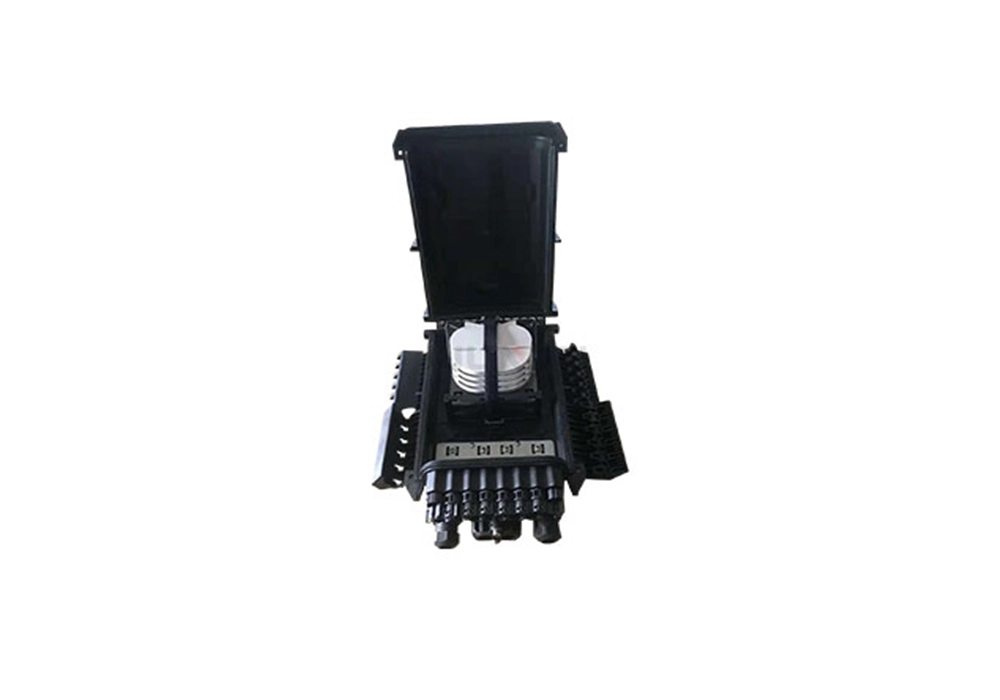
Fiber Optic Splice Closure: The protective enclosure for outdoor splices (aerial or underground).
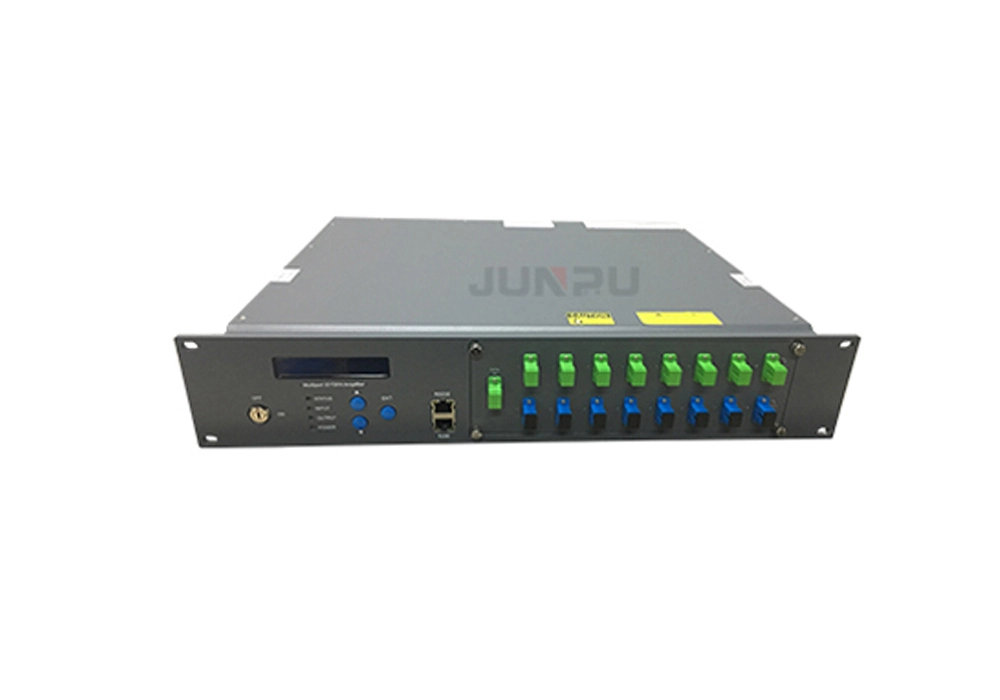
EDFA (Erbium-Doped Fiber Amplifier): The device that boosts optical signals for long-haul transmission.
If your fiber optic splice closure isn’t sealed properly, water ingress will freeze and crack the fibers. If your terminal box lacks proper bend radius protection, you’ll see high attenuation. Choosing the right partner for these components is not just a procurement decision; it’s a network performance decision.
Why "Good Enough" Isn’t Good Enough: The Problem with Low-Quality Closures
As noted in industry analyses by leading experts, using low-quality plastics for terminal boxes leads to broken hinges and missing doors within months of deployment. Similarly, excessive splicing without proper organization creates "fiber nests" that make subscriber activation a risky process.
The Three Most Common Installation Mistakes
Improper Sealing: Technicians often fail to tighten the sealing nuts on splice closures, allowing moisture to corrode the metal parts and increase signal loss.
Ignoring Bend Radius: When fibers are bent too tightly inside a terminal box, the signal suffers immediate loss.
Lack of Scalability: Using a closure that fits only today’s fiber count makes future upgrades expensive and messy. You need a solution that supports modular expansion.
How Junp
At Junpu Communication, we don’t just sell products; we engineer reliability. Our range of products at junpu-catv.com is designed specifically to combat these industry-wide issues.
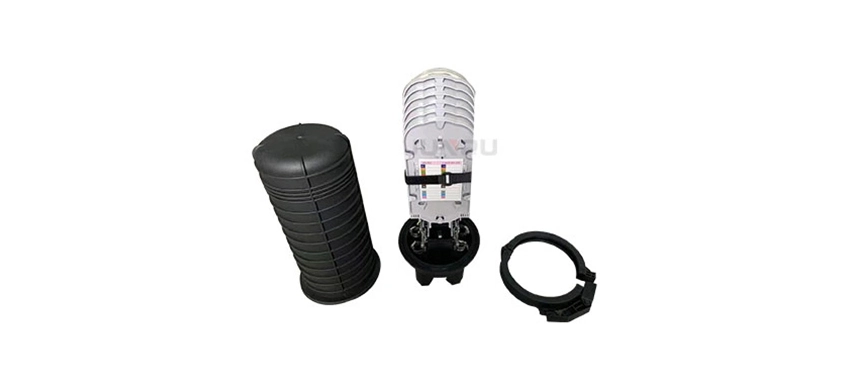
1. High-Performance Fiber Optic Splice Closures
Our splice closures are engineered for extreme environments. Whether you need a horizontal (inline) type for underground ducts or a dome (vertical) type for aerial installations, Junpu’s closures ensure IP68 waterproof protection.
Feature: Advanced mechanical sealing and high-impact polypropylene material.
Benefit: Prevents "fiber nests" by offering ample splice tray capacity and clear cable management routing.
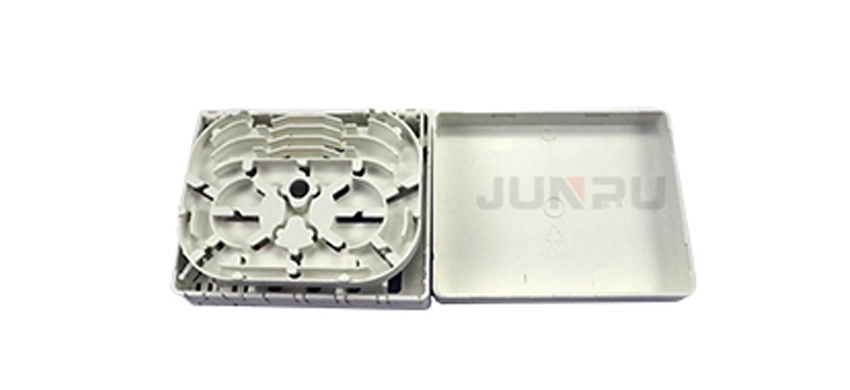
2. Compact & Durable Fiber Optic Terminal Boxes
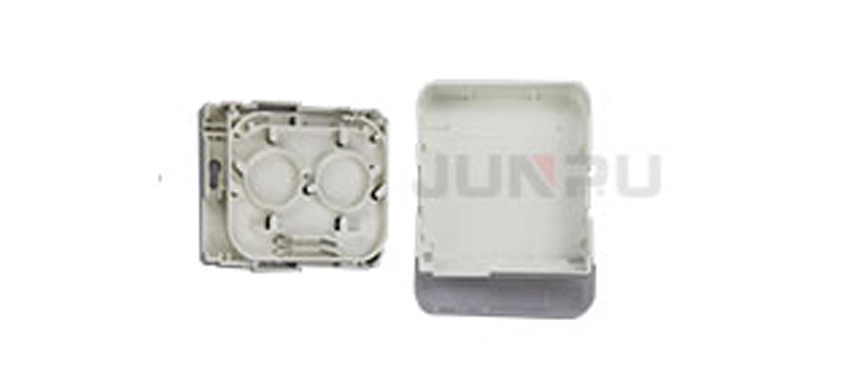
We understand that aesthetics and function matter, especially in FTTH façade deployments. Junpu’s terminal boxes are designed to be compact, hiding unsightly fiber nests while providing easy access for patching.
Feature: Pre-cabled options and integrated splice trays.
Benefit: Reduces installation time by 25% compared to traditional field-assembled boxes.
3. Reliable EDFA Optical Amplifiers
For backbone and long-reach networks, signal strength is key. Our EDFA amplifiers utilize high-quality pump lasers to ensure stable gain across C-band and L-band, ensuring that your signal remains strong even over distances of up to 150km.
Step-by-Step Installation Best Practices
To maximize the lifespan of your equipment, follow these guidelines recommended by Junpu’s engineering team:
Step 1: Pre-Installation Preparation
Inspect the environment. Ensure the installation surface is stable. For underground splice closures, dig trenches 18-24 inches deep and use clean backfill material like sand to prevent rock damage.
Step 2: Cable Entry & Sealing
Always use the correct sealing plugs that match your cable diameter. At Junpu-catv.com, our closures come with multi-size entry ports.
Pro Tip: For aerial installations, ensure the strength member of the cable is properly clamped to the closure’s frame. This relieves tension on the actual fibers.
Step 3: Fiber Management
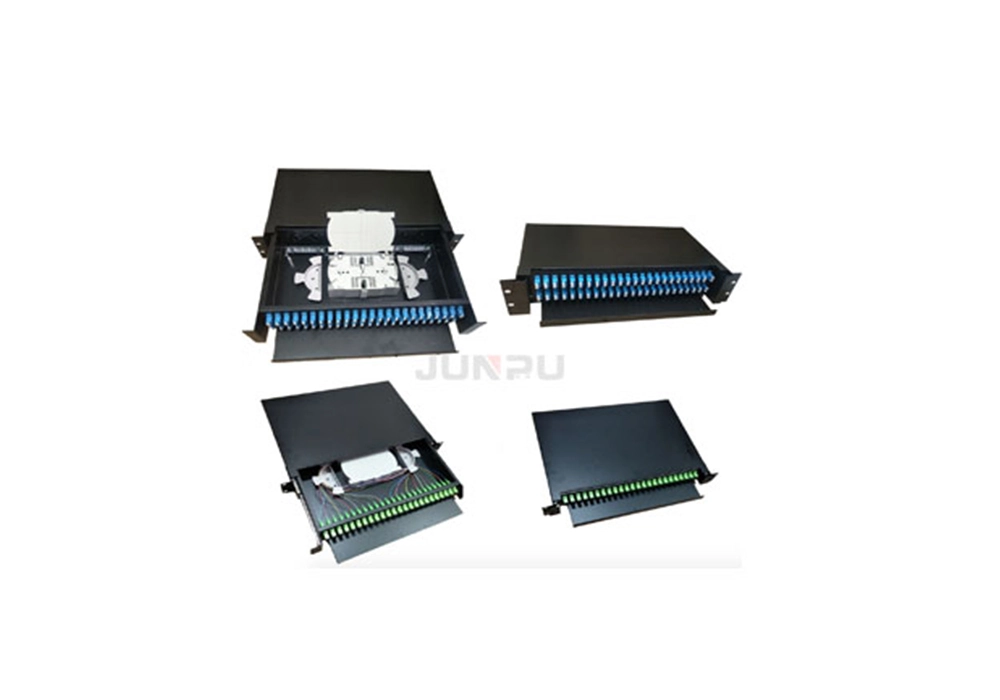
Do not leave excess fiber coiled loosely. Use the fusion splice trays inside the closure to store fibers securely.
Maintain a minimum bending radius of 30mm to avoid micro-bends.
Step 4: Testing
Before sealing the closure, use an OTDR to verify splice loss. A quality terminal box should show minimal insertion loss (<0.3dB per connection).
The Future of FTTH: Integration and Scalability
The industry is moving toward higher density and smarter management. As networks upgrade to support 5G and IoT, the demand for EDFA technology is expanding into L-band to increase bandwidth.
Moreover, the concept of "plug-and-play" is taking over. Pre-terminated solutions are becoming essential to combat the shortage of skilled labor. Junpu Communication is at the forefront of this shift, offering modular products that allow you to scale from 12 cores to 144 cores without replacing the entire enclosure.
Conclusion
Don’t let a messy "fiber nest" be the reason your network fails. By investing in high-quality passive components and adhering to strict installation standards, you ensure lower operational costs and higher customer satisfaction.
Ready to build a network that lasts?
Explore our full range of Fiber Optic Terminal Boxes, Splice Closures, and EDFA Amplifiers today.
Visit Junpu Communication Official Website: junpu-catv.com
Contact our sales team for bulk orders and custom OEM solutions tailored to your project needs.

 English
  日本語
日本語  Deutsch
  italiano
  العربية
  Polska
  Ελλάδα
  română
  slovenský
  Suomi
Suomi  Nederland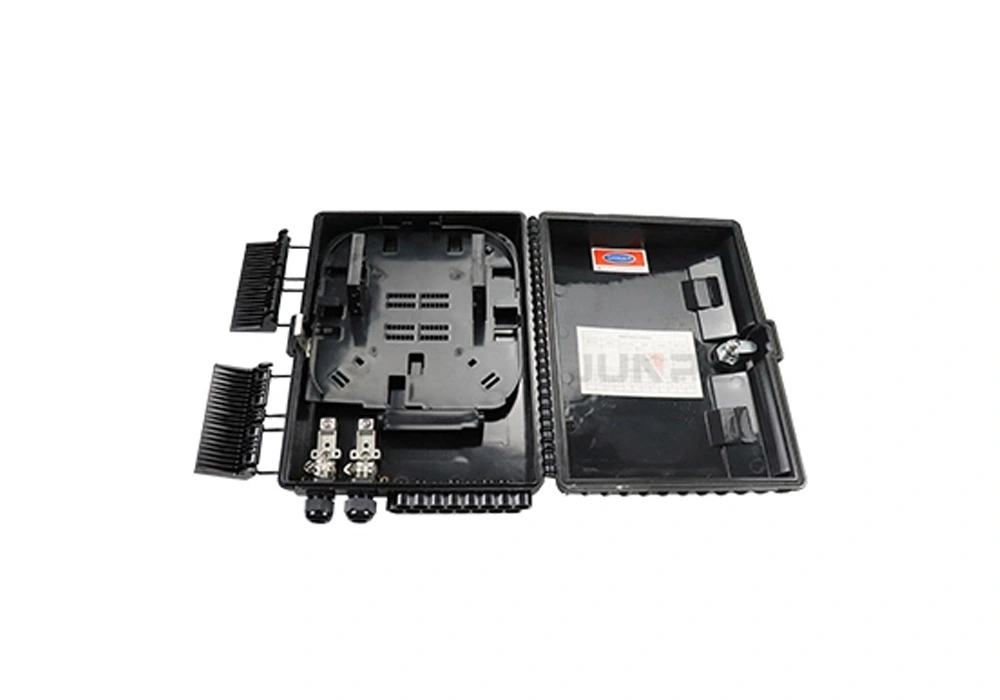





 Call us on:
  Email Us:
  Wanhua Science and Technology Park, No. 528, Shunfeng Road, Donghu Street, Linping District, Hangzhou City, Zhejiang Province