In the evolving landscape of fiber-to-the-home (FTTH) and Cable TV (CATV) services, network operators face the constant challenge of increasing bandwidth without escalating infrastructure costs. Passive WDM (Wavelength Division Multiplexing) technology has emerged as a cornerstone solution for modern optical networks.
What is Passive WDM Technology?
Passive WDM is a method of multiplexing multiple optical carrier signals onto a single optical fiber by using different wavelengths (colors) of laser light. Unlike active systems, passive WDM does not require electrical power within the optical distribution network, relying instead on passive components like prisms and filters to split or combine signals.
Key Components:
Mux/Demux (Multiplexer/Demultiplexer): Combines and separates multiple wavelengths.
Optical Filters: Isolate specific wavelengths to prevent signal interference.
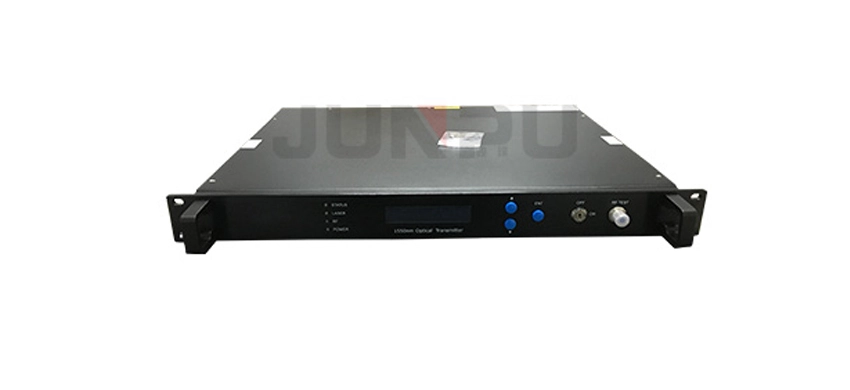
1550nm Optical Transmitters: Essential for long-distance CATV signal transmission within WDM systems.
Why Choose Passive WDM for FTTH and CATV?
For service providers looking to optimize their fiber optical solutions, passive WDM offers several strategic advantages:
Cost-Efficiency: Eliminating active electronic components reduces both Capital Expenditure (CAPEX) and Operational Expenditure (OPEX), as there is no need for power supply or cooling in the field.
High Density & Scalability: It allows for significant fiber exhaust relief. You can run multiple services (Data, Voice, and Video) over a single fiber strand.
Low Latency: With no electronic processing between the source and destination, passive WDM provides near-zero latency, critical for high-speed broadband.
Integration with EDFA and PON Technologies
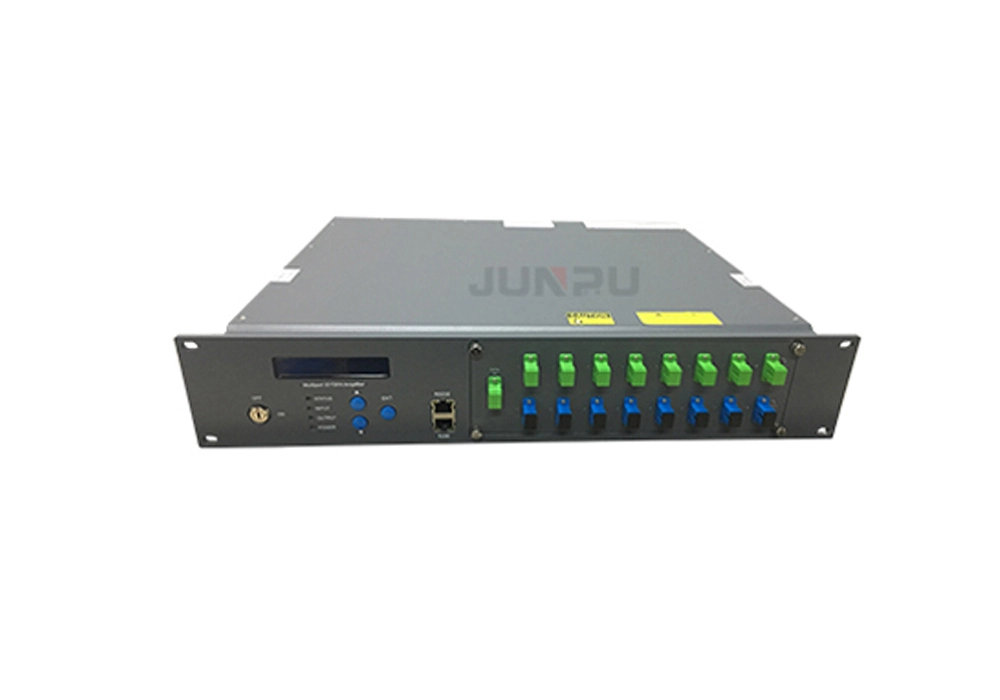
In high-density CATV networks, passive WDM is often integrated with EDFA (Erbium-Doped Fiber Amplifiers) to maintain signal integrity over long distances. For instance, the EDFA WDM PON solution allows for the simultaneous transmission of 1550nm CATV signals and 1490nm/1310nm GPON/XGS-PON data.
Technical Comparison: Passive vs. Active WDM
Feature | Passive WDM | Active WDM |
Power Requirement | None (Passive) | High (Active transponders) |
Maintenance | Minimal | Requires monitoring and power |
Cost | Lower CAPEX | Higher CAPEX/OPEX |
Typical Use Case | FTTH, CATV, Short/Mid-haul | Long-haul backbone |
Deployment Essentials: Enclosures and Protection
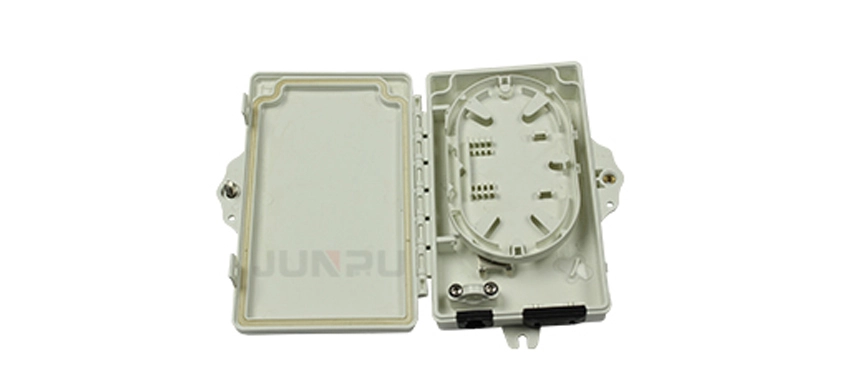
To ensure the longevity of a passive WDM deployment, selecting the right physical infrastructure is as important as the optical components themselves.
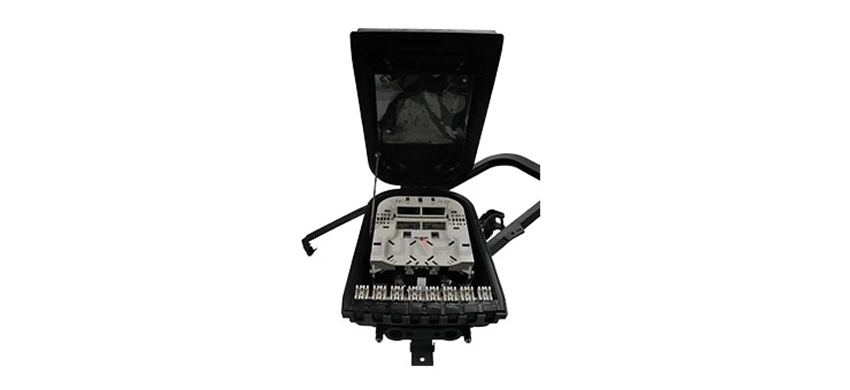
Protection Ratings: For outdoor deployments, ensure your equipment meets IP65 or IP66 waterproof standards to prevent moisture ingress.
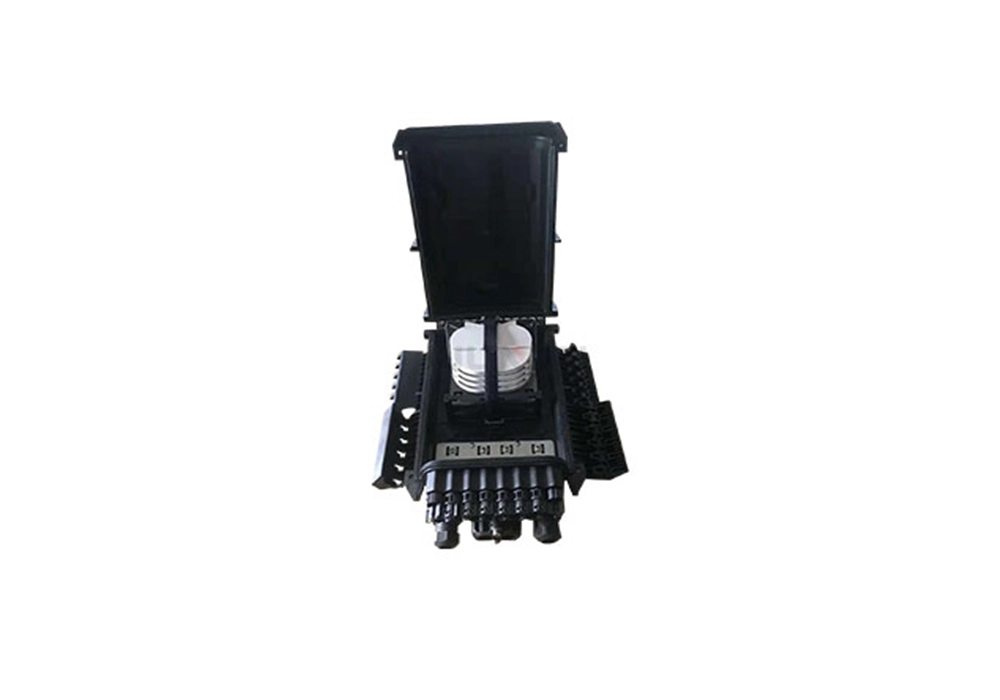
Organization: High-capacity networks require robust splice enclosures to manage fiber color codes and prevent signal loss during splicing.
Conclusion
Passive WDM technology is the "invisible hero" of modern high-density networks. By maximizing existing fiber assets and reducing the need for active field equipment, it provides a future-proof path for both CATV and FTTH operators.
Whether you are upgrading a local node or designing a new fiber infrastructure, understanding the core components of a fiber optic communication system is the first step toward a high-performance network.
FAQ: Passive WDM Technology
1. What is the difference between Active and Passive WDM?
The primary difference lies in the power requirement. Passive WDM uses no electrical power and relies on passive optical components (like Mux/Demux) to split and combine signals, making it highly reliable and cost-effective. Active WDM requires powered transponders and management systems, which are better suited for long-haul backbone networks but involve higher maintenance and energy costs.
2. How does Passive WDM benefit CATV and FTTH integration?
Passive WDM allows operators to overlay CATV signals (typically at 1550nm) onto existing GPON or XGS-PON data streams without interference. By using an EDFA WDM PON amplifier, you can deliver high-quality video and high-speed data over a single fiber, significantly reducing fiber consumption in high-density residential areas.
3. Can I use Passive WDM for outdoor deployments?
Yes, but the hardware must be protected by high-quality housing. For outdoor FTTH environments, we recommend housing passive WDM modules within IP66-rated waterproof enclosures. This ensures protection against dust, rain, and extreme temperatures, maintaining signal stability in the optical distribution network (ODN).
4. Does Passive WDM cause significant signal loss?
While every optical component introduces some "insertion loss," modern high-precision filters and multiplexers keep this loss to a minimum. To compensate for any loss in complex high-density networks, operators typically use 1550nm optical transmitters with high output power to ensure clear signal delivery to the end user's optical receiver.

 English
  日本語
日本語  Deutsch
  italiano
  العربية
  Polska
  Ελλάδα
  română
  slovenský
  Suomi
Suomi  Nederland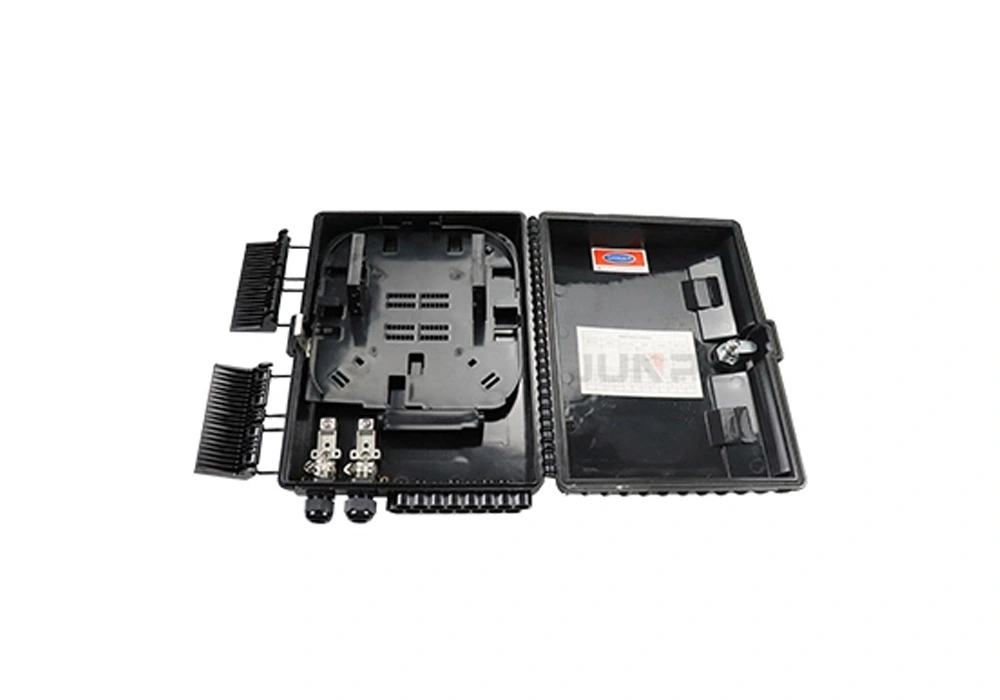




 Call us on:
  Email Us:
  Wanhua Science and Technology Park, No. 528, Shunfeng Road, Donghu Street, Linping District, Hangzhou City, Zhejiang Province