

Email Us
FAQS
Resources

FAQS


1

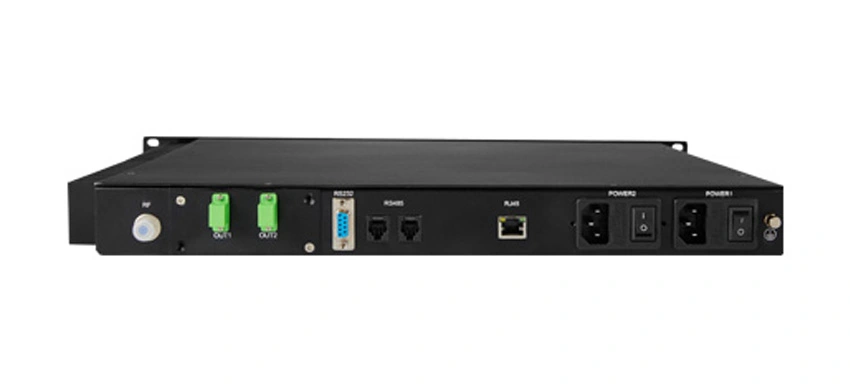
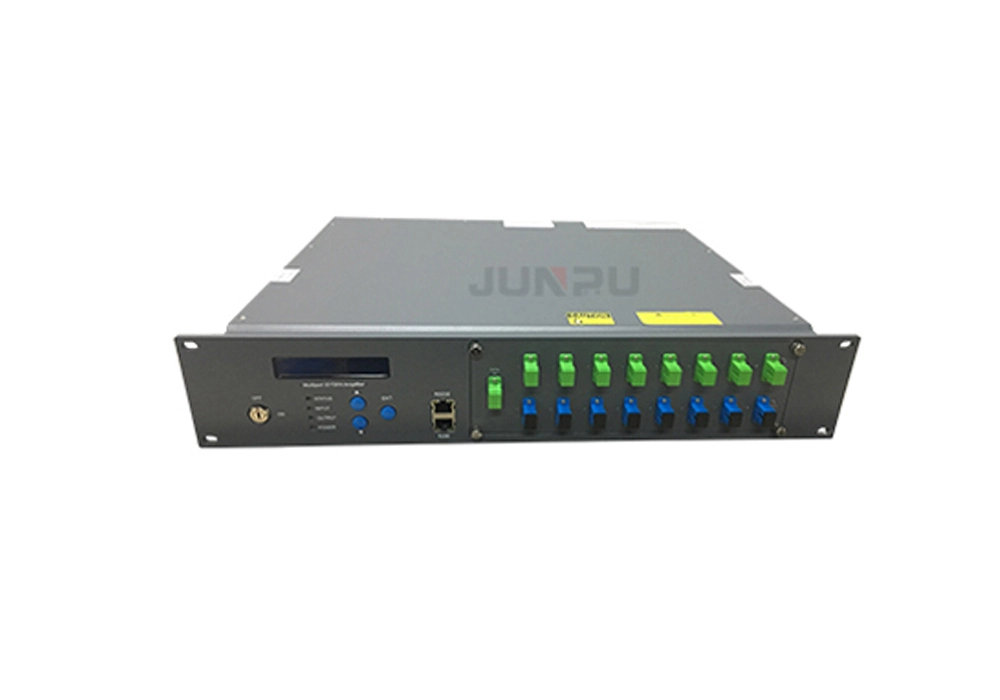
What is a WDM PON EDFA, and how does it extend PON network reach?

A WDM PON EDFA is an Erbium-Doped Fiber Amplifier specifically designed for Wavelength Division Multiplexing Passive Optical Networks. It amplifies the optical signals (typically in the C-band) within a WDM-PON system, significantly boosting the optical power budget. This allows network operators to extend the reach of their PON networks beyond standard limits (e.g., beyond 20km) and support more subscribers without sacrificing signal quality.
+ -
2

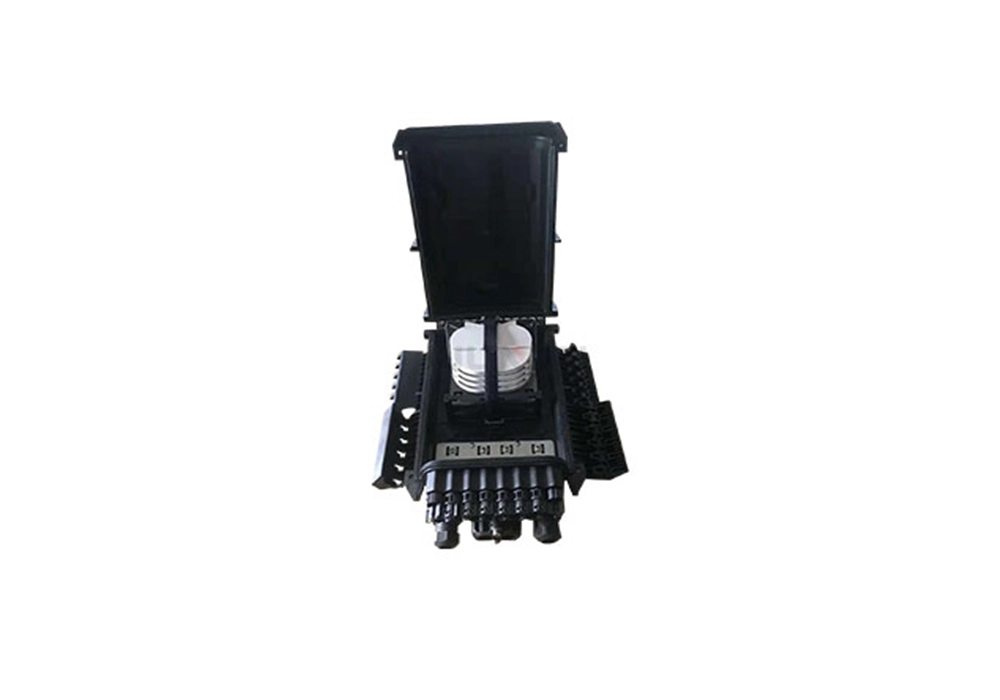
What are the key features and applications of the CTO 48 fiber optic enclosure?

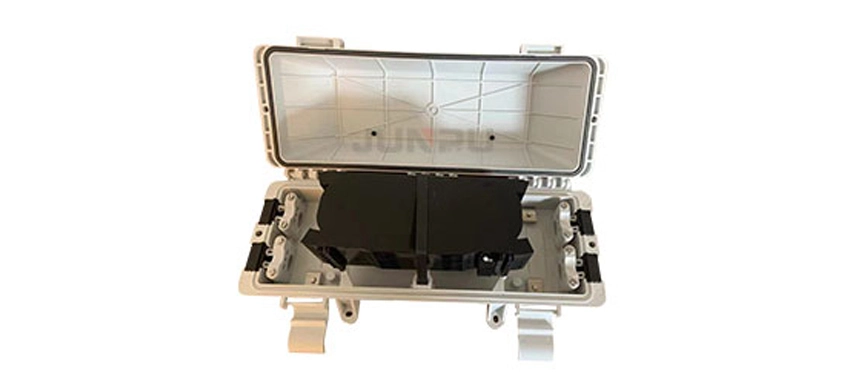
The CTO 48 is a high-density fiber optic splice closure designed for aerial, wall-mount, or underground use. Key features include a 48-fiber splicing capacity, compact and robust design for harsh environments, and easy re-entry. Its primary applications are in FTTH drop distribution points, cable splicing, and fiber branching, providing a reliable and protected environment for fiber connections.


+ -
3

Why is a PON EDFA necessary in high-split-ratio or long-reach FTTH deployments?

In modern FTTH networks using high split ratios (1x64, 1x128) or covering long distances, optical signal loss becomes critical. A PON EDFA is inserted at the Optical Line Terminal (OLT) side to boost the downstream broadcast signal, compensating for splitting and fiber attenuation losses. This ensures all Optical Network Units (ONUs) at the user end receive sufficient optical power for reliable service.


+ -
4

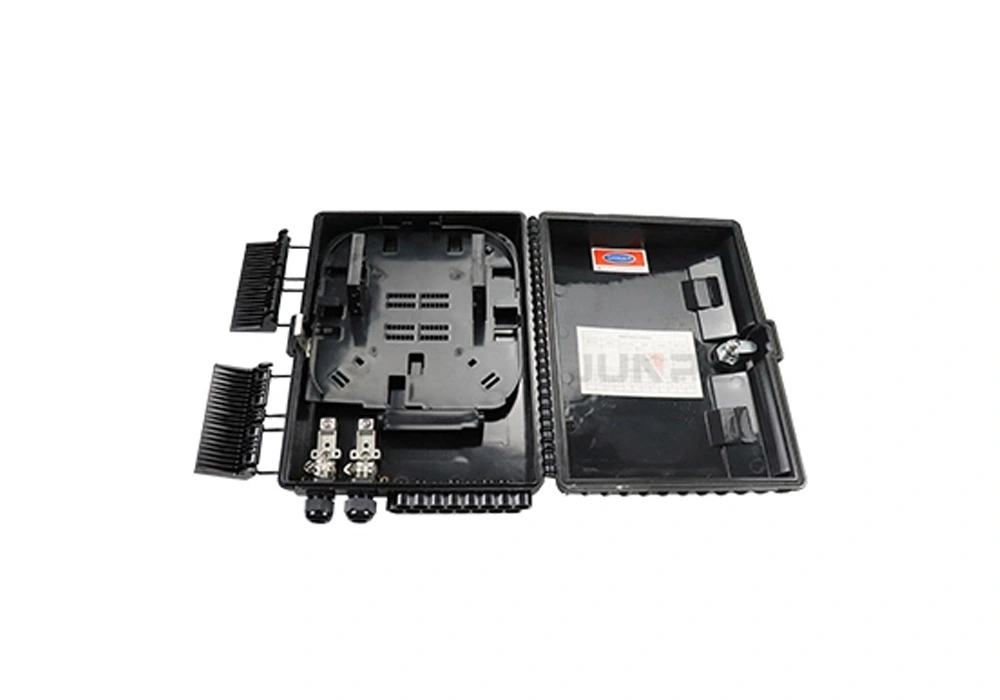
What is a NAP Caja, and what is its role in the FTTH network architecture?

A NAP Caja is a Network Access Point Enclosure, a critical outside plant device in FTTH architecture. It acts as a flexible distribution point between the feeder cable and multiple drop cables. Its role is to house and protect the passive optical splitters and fiber connections, allowing for efficient, scalable, and organized connections to individual homes or buildings.


+ -
5

How do I choose the right fiber optic enclosure for my outdoor/indoor application?

Choosing the right fiber optic enclosure depends on:


Environment: Outdoor (requires high IP rating, UV resistance) vs. Indoor.

Capacity: Number of fibers to splice/terminate.

Type: Splice closure, patch panel, or distribution hub.

Installation: Aerial, pole-mount, pedestal, or wall-mount.

Functionality: Requires pass-through, splitting, or patching.


Our product range covers all these scenarios to meet specific network design needs.


+ -
6

What is the purpose of an FTTH Drop Wire Clamp, and where is it installed?

An FTTH Drop Wire Clamp is a crucial mechanical fixing device. Its purpose is to securely fasten and organize the drop fiber cable along poles, walls, or ducts. It protects the cable from mechanical stress, wind vibration, and accidental pulls, ensuring a neat installation and long-term reliability of the last-mile connection to the subscriber's premises.


+ -
7

Can your WDM PON EDFA be used with both GPON and XGS-PON systems?

Yes, our WDM PON EDFAs are designed to amplify standard PON wavelengths (e.g., 1490nm downstream for GPON, 1577nm for XGS-PON). They are protocol-agnostic, meaning they amplify the light regardless of the data protocol, making them compatible with GPON, XGS-PON, and future NG-PON2 systems operating within the C-band.


+ -
8

What are the installation advantages of the CTO 48 enclosure?

The CTO 48 offers significant installation advantages: lightweight design for easier handling, pre-installed gel seals for rapid closure, and a modular internal tray that allows for organized splicing and looping of fibers. This translates to faster deployment and lower labor costs in the field.


+ -
9

What is the difference between a Booster EDFA and a Pre-Amplifier EDFA in a PON system?

In PON systems, a Booster EDFA is placed after the OLT to amplify the downstream signals going to all ONUs. A Pre-Amplifier EDFA is placed before the OLT receiver to amplify the weak upstream signals coming from the ONUs. Our PON EDFA solutions can be configured for either role to optimize the link budget.


+ -
10

Does the NAP Caja come pre-loaded with splitters?

We offer NAP Cajas in multiple configurations. They can be supplied empty (for field splicing and splitter installation) or factory pre-loaded with specified passive optical splitters (e.g., 1x4, 1x8, 1x16). Pre-loaded units significantly reduce on-site installation time and potential errors.


+ -
11

What are the material and ingress protection (IP) standards for your outdoor fiber optic enclosures?

Our outdoor fiber optic enclosures are manufactured from high-quality, UV-stabilized engineering plastics or corrosion-resistant metals. They typically achieve a minimum rating of IP65 (dust-tight and protected against water jets), ensuring long-term reliability in harsh weather conditions.


+ -
12

Are your FTTH Drop Wire Clamps reusable and adjustable for different cable diameters?

Yes, many of our FTTH Drop Wire Clamps are designed with a reusable, snap-lock mechanism for easy cable installation and future maintenance. They often feature an adjustable or modular design to accommodate a range of drop cable diameters (e.g., from 2mm to 8mm), providing great flexibility for field technicians.


+ -
13

What remote monitoring options are available for your PON EDFA units?

Our advanced PON EDFA units offer SNMP (Simple Network Management Protocol) management capabilities. They can be integrated into your central Network Management System (NMS) for remote real-time monitoring of optical output power, temperature, pump laser status, and alarms, enabling proactive maintenance.


+ -
14

How does the CTO 48 ensure water and moisture protection for spliced fibers?

The CTO 48 employs a dual-sealing system: a primary gel seal around cable entries and a robust mechanical seal on the closure's main shell. This creates a watertight and airtight environment, preventing moisture ingress that could lead to fiber corrosion and increased signal loss over time.


+ -
15

Can you provide a complete FTTH outside plant solution including enclosures, clamps, and accessories?

Absolutely. As a professional manufacturer, Junpu-CATV provides a comprehensive FTTH outside plant solution. This includes fiber optic enclosures (CTO 48, NAP Cajas), FTTH Drop Wire Clamps, splice trays, patch cords, and all necessary hardware. We offer one-stop sourcing, ensuring compatibility and consistent quality across your entire deployment.


+ -
16

Can I have a sample order for this product?

Yes, we welcome sample order to test and check the products quality.

+ -
17

Is there a minimum quantity for each order?

JUNPU does not require a minimum order, as we understand that some customers may only need a small amount of our product or wish to try us out for the first time.

+ -
18

What are JUNPU's terms of payment?

Wire transfer ( T/T), credit card on Alibaba are the standard payment methods. JUNPU may be able to agree to more flexible terms with regular customers or customers with special large orders or products. If you have any questions or concerns pertaining to payment, please contact us.

+ -
19

How can I get a customized service?

JUNPU has been dedicated to creating customized FTTH solutions that meet the needs of clients. Just contact our sales team and give as much detail as possible about your specific requirements and we will find a solution that works for you.

+ -
20

How do you ship the goods?

We usually ship products by sea transportation, DHL, UPS, FedEx or TNT.

+ -
21

Can the fiber optical box be with inside splitter ?

YES. Most fiber optical boxes can be assembled with a cassette plc splitter and a mini steel tube plc splitter. Also, some fiber optic distribution boxes can be pigtails and adapters. We can meet your requirements.

+ -
22

Can the fiber otical distribution box be aerial or inline?

YES, This fiber optical terminal box and fiber optical splice closure support aerial and pole mounting. We can use aerial accessory kit.

+ -
23

What is a fiber optic terminal box?

Fiber box: refers to the distribution and continuation of the optical fiber signal in the optical fiber wiring system to connect the optical cable between the main optical cable and the user.


Optical fiber splitting boxes are installed on outdoor walls, poles, etc., which can facilitate the splicing and distribution of optical cables, and can satisfy the placement of optical splitters to achieve light-splitting functions. The optical cable distribution box is the wiring distribution equipment for user terminals in the FTTH system. It can realize functions such as optical splicing, distribution and dispatching.


+ -
Recommended Fiber Optic Products
Latest News & Blog