Email Us
1550 Optical Transmitter

1550 Optical Transmitter

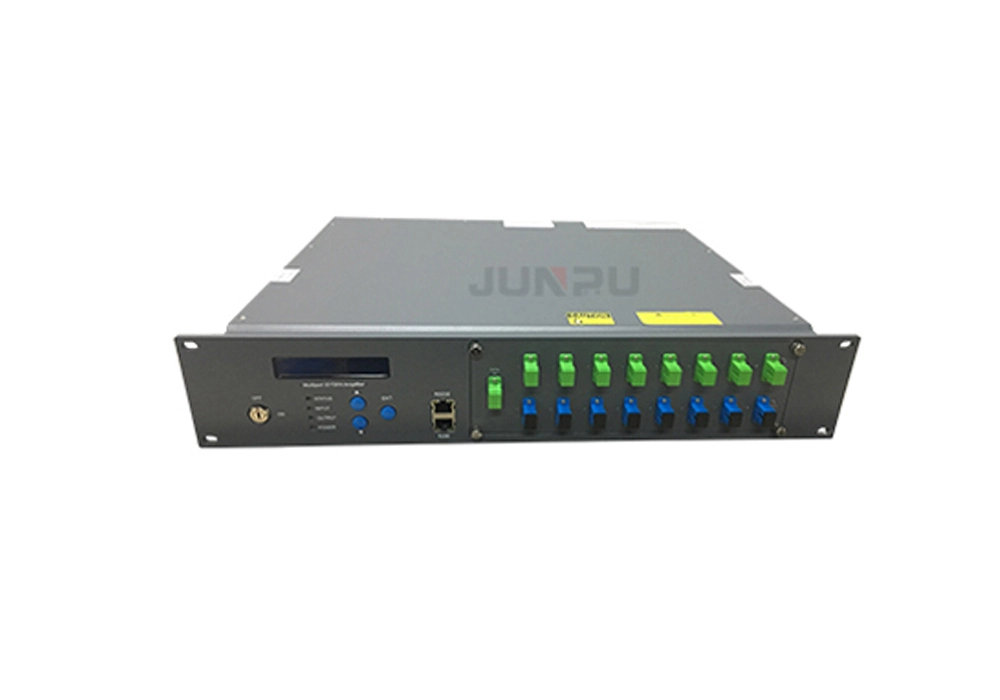
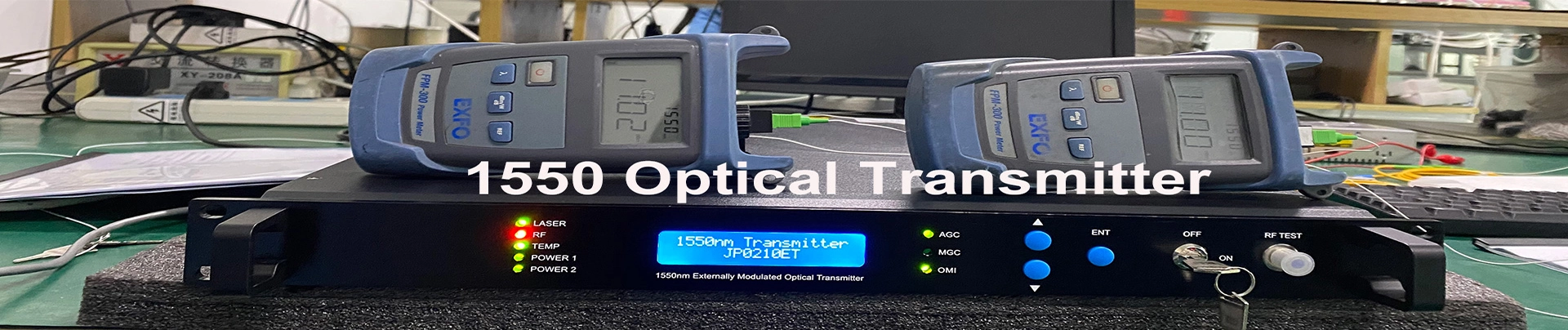
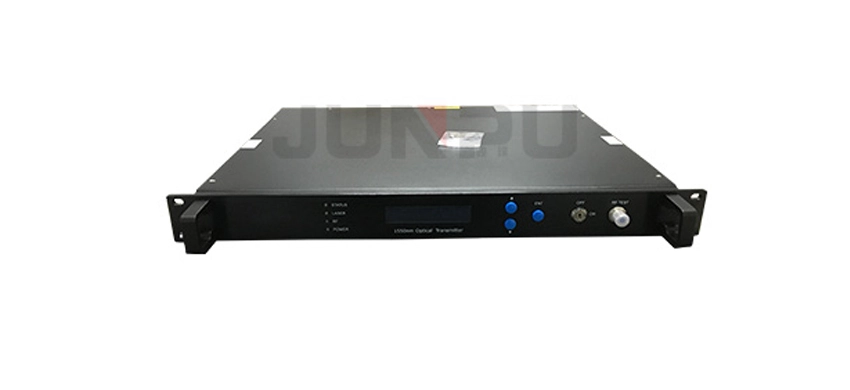
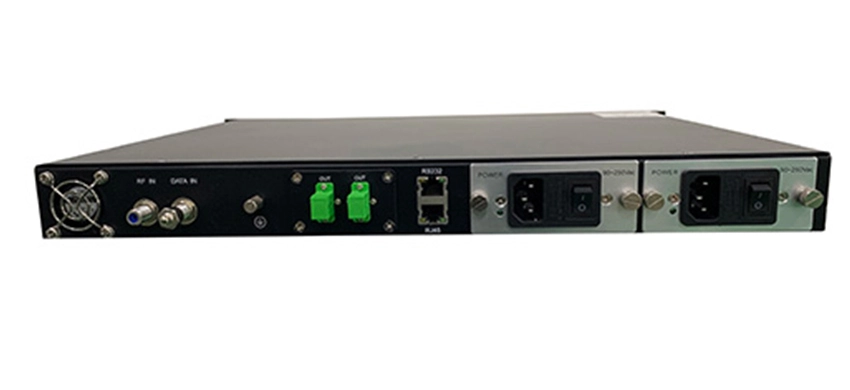
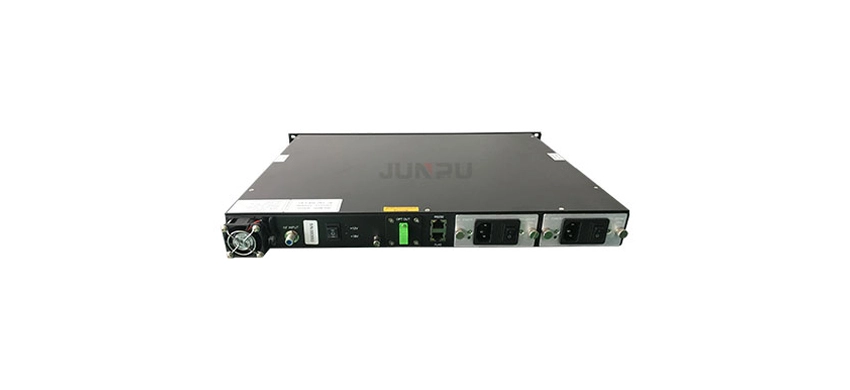
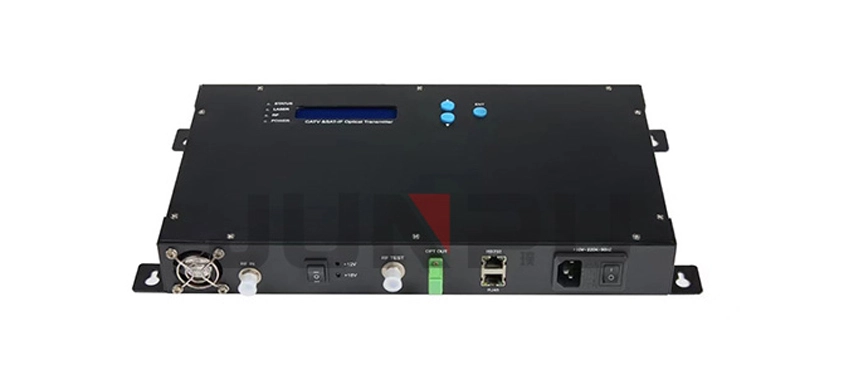
The 1550 Optical Transmitter is a device that converts electrical signals into optical signals, allowing for long-distance transmission of data. It is commonly used in telecommunications networks and fiber optic communication systems. The transmitter operates at a wavelength of 1550 nm, enabling high-speed and reliable data transmission over fiber optic cables.


Types of JUNPU 1550 Optical Transmitter

Key Features of a 1550 Optical Transmitter

High-speed data transmission:

A key feature of a 1550 Optical Transmitter is its ability to transmit data at high speeds. By converting electrical signals into optical signals, it enables fast and efficient data transmission over fiber optic cable.


Long-distance capabilities: 

The 1550 Optical Transmitter is designed to support long-range transmission of data. It can send optical signals over significantly long distances, ranging from several kilometers to hundreds of kilometers, without the need for signal repeaters.


Wavelength stability: 

The transmitter operates at a specific wavelength of 1550 nm, ensuring reliable and stable transmission of data. The wavelength stability feature guarantees that the optical signals maintain their integrity and do not suffer from signal degradation or interference.


Compatibility with various fiber optic communication systems: 

The 1550 Optical Transmitter is compatible with different types of fiber optic communication systems, making it a versatile device. It can seamlessly integrate into telecommunications networks, cable TV systems, internet services, and other applications.


Low signal loss and resistance to interference: 

The 1550 Optical Transmitter is an optical communication equipment designed to minimize signal loss during data transmission. It employs advanced technologies that reduce signal degradation, ensuring high-quality data transmission. Additionally, the transmitter is designed to resist interference, ensuring reliable and clear communication without disruptions or noise.


If you are interested in the 1550nm optical transmitter price, please leave us your message.

FAQs of 1550 Optical Transmitter

What is a 1550 Optical Transmitter?

A 1550 Optical Transmitter is a device utilized in fiber optic communication systems that converts electrical signals into optical signals at a wavelength of 1550 nm.


What is the purpose of a 1550 Optical Transmitter?

The main purpose of a 1550 Optical Transmitter is to enable long-distance transmission of data over fiber optic cables by converting electrical signals into optical signals.

How does a 1550 Optical Transmitter work?

The 1550 Optical Transmitter uses an electrical input signal and converts it into an optical signal through a process called modulation. The optical signal is then transmitted over a fiber optic cable.

What are the advantages of using a 1550 Optical Transmitter?

The advantages of using a 1550 Optical Transmitter include low signal loss, high data capacity, resistance to interference, and the ability to transmit data over long distances without the need for repeaters.

Are there any maintenance requirements for a 1550 Optical Transmitter?

Routine maintenance for a 1550 Optical Transmitter includes monitoring the power levels and wavelength stability, checking for any loose connections, and keeping the device clean from dust and debris.

What's the difference between a 1550nm Directly Modulated (DML) and Externally Modulated (EML) Transmitter, and which one should I choose for my project?

This is a crucial choice that depends on your distance, budget, and performance requirements:

1550nm Directly Modulated Laser (DML) Transmitter:

How it works: The RF signal directly modulates the laser diode's current.

Best for: Cost-sensitive applications, CATV distribution networks, RFoG systems, and distances up to ~30-40 km.

Pros: Lower 1550nm optical transmitter price, simpler design, smaller footprint.

Cons: Higher chirp, which can limit transmission distance and performance in dense, long-haul DWDM systems.

1550nm Externally Modulated Laser (EML) Transmitter:

How it works: A continuous-wave (CW) laser feeds an external LiNbO₃ (Lithium Niobate) modulator, which is then modulated by the RF signal.

Best for: Long-haul telecom backbone (>80 km), DWDM/CWDM systems, applications requiring the highest CNR/CSO/CTB performance, and where very low chirp is essential.

Pros: Superior linearity, ultra-low chirp, enables much longer transmission distances.

Cons: Higher initial cost, larger size.

Simple Choice Guide:

Choose DML for standard CATV distribution and shorter links where budget is key.

Choose EML for maximum distance, backbone networks, or advanced multi-wavelength systems.


Are JUNPU's 1550nm optical transmitters compatible with our existing DBC (Doubling-Beating-Cancellation) or SCM (Sub-Carrier Multiplexing) transmission systems?

Yes, absolutely. JUNPU transmitters are designed to industry-standard specifications for CATV and broadcast optical transmission. They are fully compatible with standard DBC and SCM architectures used to minimize second-order distortion (CSO) in high-channel-count AM-VSB systems. Our units feature excellent linearity (CTB/CSO specs) and stable 1550nm output, ensuring seamless integration into your existing headend or hub. For specific compatibility verification, please provide your system's RF frequency plan, and our engineers can confirm optimal performance.

What is the standard optical connector type, and can I request a different one?

Our standard configuration uses SC/APC connectors, which provide low insertion loss and superior return loss critical for analog CATV systems to minimize reflections. We also offer FC/APC as a standard option. For OEM/ODM services, we can customize the connector type (e.g., LC/APC, E2000) to match your system requirements upon request.

Product Inquiry
Email us if you are interested in JUNPU communication fiber optic products and solutions.
Latest News & Blog